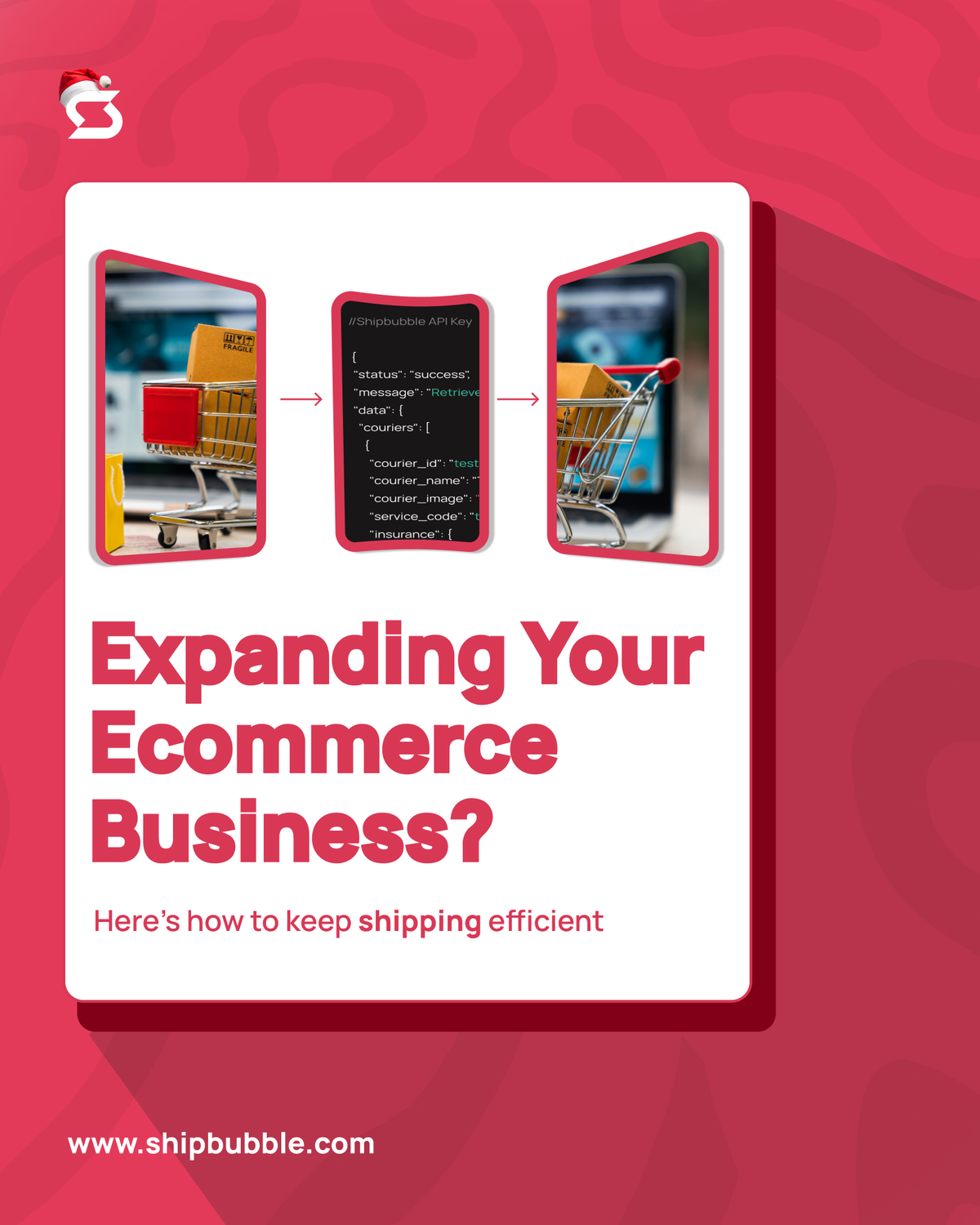
Expanding your ecommerce business is a good problem to have. New stores. New markets. More orders.
But shipping? That’s usually where things start to crack.
What worked when you had one store doesn’t always work when you’re running three, five, or more. Many growing businesses respond by onboarding a new logistics partner for each store. This feels practical, until it isn’t.
The Problem With Multiple Logistics Partners

At scale, multiple logistics partners create more friction than flexibility. What initially feels like optionality quickly becomes operational drag as volume grows and expectations rise.
Different logistics partners come with different pickup schedules. Teams are forced to coordinate multiple timelines, manage missed pickups, and constantly adjust internal workflows just to keep orders moving. Instead of focusing on growth, operations become reactive.
There are also different pricing structures to manage. Each partner has its own rate cards, surcharges, and billing cycles, making cost forecasting difficult and margin tracking inconsistent. Over time, this lack of pricing visibility makes it harder to understand true fulfillment costs or optimize for profitability.
Different SLAs and delivery timelines add another layer of complexity. One partner may promise same-day delivery, while another takes several days for similar routes. This inconsistency affects customer expectations, increases support tickets, and makes it harder to deliver a reliable brand experience.
Finally, different dashboards and reports fragment data. Instead of having a single source of truth, teams must log into multiple systems to track shipments, resolve issues, and analyze performance. This scattered visibility slows decision-making and makes it difficult to identify patterns or improve delivery efficiency.
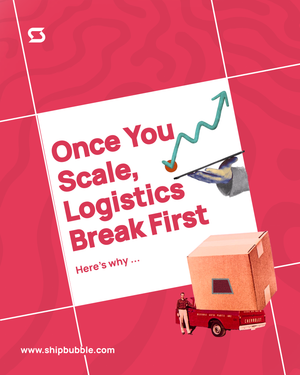
As businesses scale, these small inefficiencies compound, and they turn logistics into a bottleneck rather than a growth enabler. A centralized logistics solution eliminates this fragmentation, giving brands the control, clarity, and consistency needed to scale without friction. That way, your team is not stuck on managing logistics but instead they run the business in a way that allows it to scale.
Growth Needs Simplicity, Not More Dispatch Riders.
As your ecommerce business expands, what you need isn’t more moving parts, it’s fewer.
Shipping should become more predictable as you grow, not harder to manage. That’s why many expanding brands are moving away from store-by-store logistics partnerships and toward one centralized shipping system.
A Smarter Alternative to Managing Multiple Partners
Instead of finding a logistics partner for every new store, Shipbubble offers a cleaner approach.
- Orders are completed automatically
- Shipments are routed through seamless fulfillment flows
- Shipping rules stay consistent across all stores
The business expands, but the shipping process stays simple.
Why This Works Better as You Scale
With one shipping partner managing fulfillment across all stores:
1. Your team saves time and effort communicating with various logistics partners and dispatch riders.
Instead of managing countless calls, follow-ups, and clarifications across different providers, all shipping coordination happens through a single, centralized system.
This reduces back-and-forth communication around pickup confirmations, delivery delays, rider availability, and issue resolution. Teams no longer have to repeat the same instructions or track conversations across WhatsApp, email, and phone calls just to ensure an order is delivered correctly. This is because Shipbubble handles it all.
2. Customers get a consistent delivery experience

Consistency matters because customers don’t separate logistics from the brand, they experience it as one journey. When delivery updates are clear, timelines are reliable, and handoffs are smooth, trust increases. Customers know what to expect, and that confidence reduces anxiety around online purchases.
3. Shipping performance is easier to monitor
On Shipbubble, you have tools that reveal clearer performance insights, so businesses make informed decisions about fulfillment operations. That way, bottlenecks are easier to spot, expectations are easier to manage, and overall delivery efficiency improves. Over time, this level of visibility supports better planning, stronger accountability, and a more reliable customer experience.
4, Adding a new store doesn’t mean starting logistics from scratch
With Shipbubble, expanding your business or launching a new store doesn’t require rebuilding your logistics operations from the ground up. Instead of onboarding new delivery partners, renegotiating rates, or setting up separate workflows, your new ecommerce stores simply integrate Shipbubble, and you get access to our logistics solutions.
Expansion is an operational advantage and not a risk.

Shipping Should Support Growth, Not Complicate It
Running multiple ecommerce stores doesn’t require multiple logistics partners. It requires a system designed for scaling.
As your business grows, the smartest move is choosing a shipping setup that grows with you without adding unnecessary complexity.
Shipbubble makes that possible by providing logistics solutions across your stores.