Logistics is often the first thing to break when you scale. Most founders begin to search for the problem once sales are affected. Is it the product? Is it customer service? Do we need to hire more people ?
But the truth is, logistics is a predominant problem, and if not addressed, it can break. Issues like late deliveries, rising costs, customer complaints, and operational chaos don’t usually appear at the start of a business.
They show up after demand increases. If you’re scaling or planning to, understanding why logistics fail first can save you revenue, reputation, and a lot of stress.
In this article, we’ll break down why logistics cracks under scale, the warning signs to watch for, and how smart businesses build logistics systems that grow with them.
Why Logistics Is the First Thing to Break When You Scale
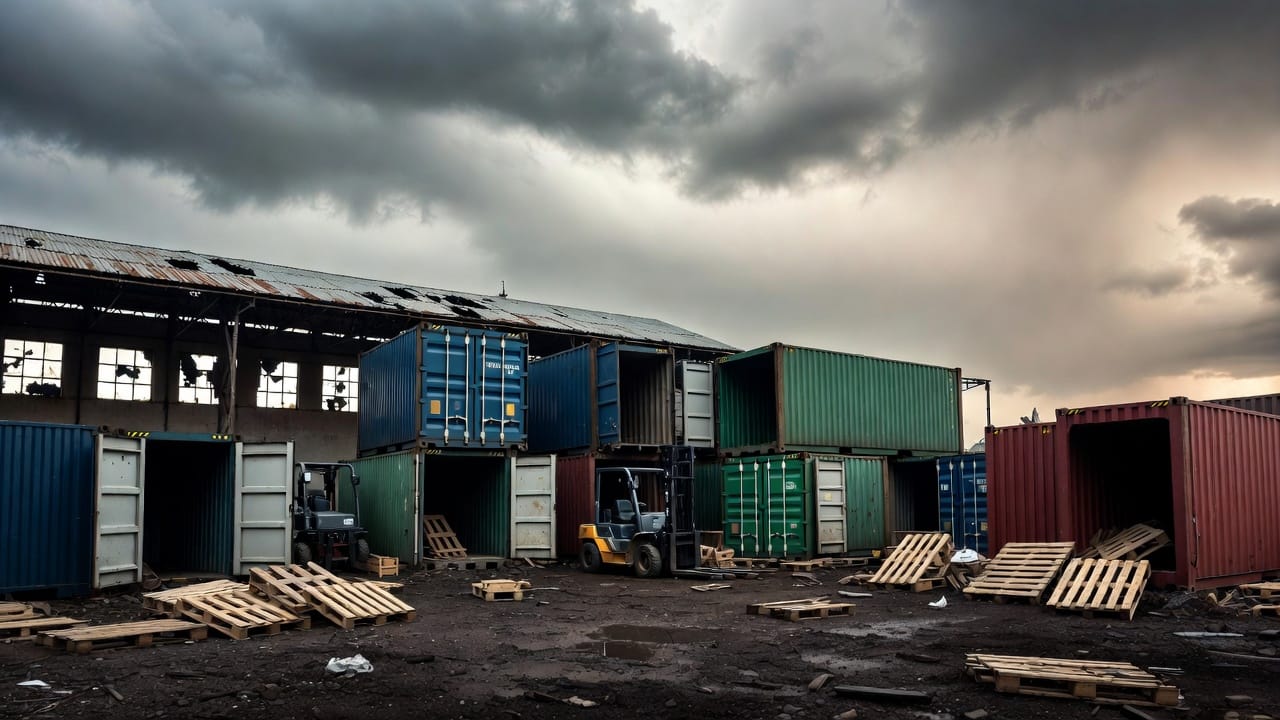
Scaling a business doesn’t just mean selling more, it means coordinating more moving parts at the same time. Logistics sits at the centre of this complexity.
Here’s why it’s usually the first system to feel the pressure.
1. More Orders Multiply Operational Complexity
At a small scale, logistics is manageable. You can track orders manually, call your delivery partner when there’s an issue, and resolve problems one by one.
But when orders increase:
- Dispatch volume grows daily
- Pickups must be coordinated across locations
- Deliveries happen simultaneously in different cities
What used to work at 10–20 orders a day starts breaking at 100+. Manual processes don’t scale, and logistics is unforgiving when systems aren’t automated.
2. Multiple Sales Channels Create Shipping Chaos
Scaling often means expanding beyond one sales channel, so you are managing websites, Instagram or WhatsApp orders, online marketplaces, and physical stores. Each channel generates orders differently. Without a unified logistics system, businesses end up managing orders separately, using different delivery partners per channel, losing visibility across shipments.
This fragmentation leads to delays, missed pickups, and inconsistent customer experiences, all signs of a logistics system under strain.
3. Delivery Costs Rise Faster Than Revenue
One of the biggest surprises during scaling is how quickly shipping costs increase. As volume grows, businesses face inconsistent courier pricing, higher failed delivery rates, re-delivery and return costs.
Without negotiated rates or centralized logistics management, shipping expenses quietly eat into margins. Many businesses realize too late that they’re selling more but keeping less.
4. Customer Expectations Increase With Growth
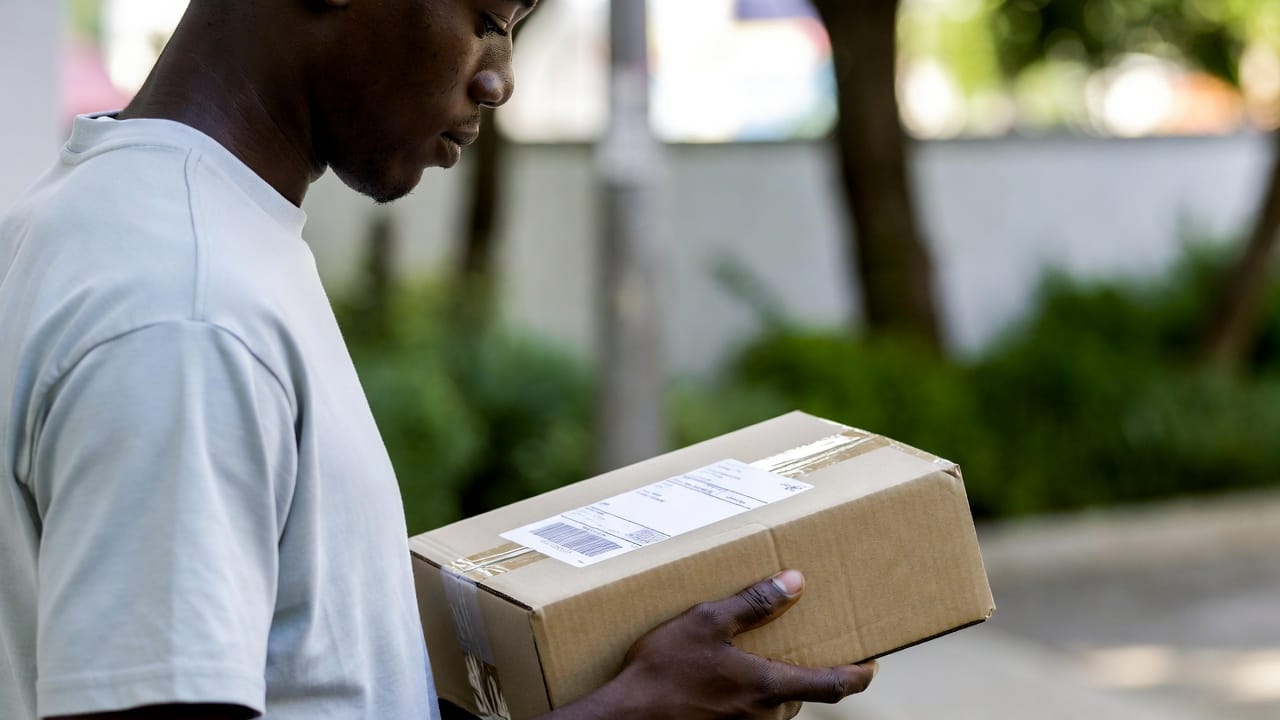
Growth brings visibility, and with it, higher customer expectations. Customers now expect standards like same-day or next-day delivery, real-time tracking and fast issue resolution. If your logistics setup can’t support this, customer trust drops fast.
Late or failed deliveries don’t just affect one order, they can damage brand perception at scale.
5. Managing Multiple Logistics Partners Adds Friction
To cope with growth, many businesses add more delivery partners. Ironically, this often makes things worse.
Multiple partners mean:
- Different pickup schedules
- Different pricing structures
- Different service quality
- Different dashboards (or none at all)
Instead of flexibility, you get fragmentation. Tracking performance becomes harder, and accountability gets blurred.
Warning Signs Your Logistics Is Breaking
If you’re scaling, watch out for these red flags:

1.Frequent delivery delays or missed pickups
2. Rising customer complaints about shipping
3. No single view of all orders and shipments
4. Increasing shipping costs without clear insight why
5. Spending more time fixing logistics issues than growing the business
These aren’t minor issues, they’re signals that your logistics system wasn’t built for scale.
How Shipbubble Helps You Scale Without Breaking Logistics
Shipbubble is built specifically for growing businesses that need logistics to scale with demand, not collapse under it.
With Shipbubble, businesses can:
- Access multiple vetted delivery partners from a single dashboard
- Automate shipping workflows end-to-end
- Track orders and performance in real time
- Control costs with transparent pricing and insights
Instead of managing logistics reactively, Shipbubble helps businesses stay ahead of growth. Visit shipbubble.com to register today.