Logistics in Nigeria is not theory. It’s traffic by 5pm. It’s rain in different locations. It’s wrong addresses, power outages, WhatsApp messages at midnight, and customers who want answers now.
So when people say “AI is changing logistics”, Nigerian business owners usually ask one question:
How exactly?
Let’s break it down; practically, locally, and honestly.
What Is AI in Logistics (In Simple Terms)?
AI (Artificial Intelligence) in logistics is not robots riding bikes or replacing dispatch riders.
In reality, AI is about:
- Making faster decisions
- Reducing human error
- Handling scale without chaos
- Turning logistics data into clear actions
Think of AI as a very smart operations assistant that never sleeps, never forgets, and sees patterns humans miss.
The Real Problems AI Solves in Nigerian Logistics
Before we talk about solutions, let’s be real about the problems. In Nigeria, logistics struggles usually look like Manual dispatch coordination, One courier trying to handle 100+ deliveries, Delayed deliveries, No visibility, Customers constantly asking for updates, and many more.
These problems can be alleviated with AI. Some of the ways this is achieved is highlighted below:
1. Smarter Delivery Routing (Less Stress, Faster Deliveries)
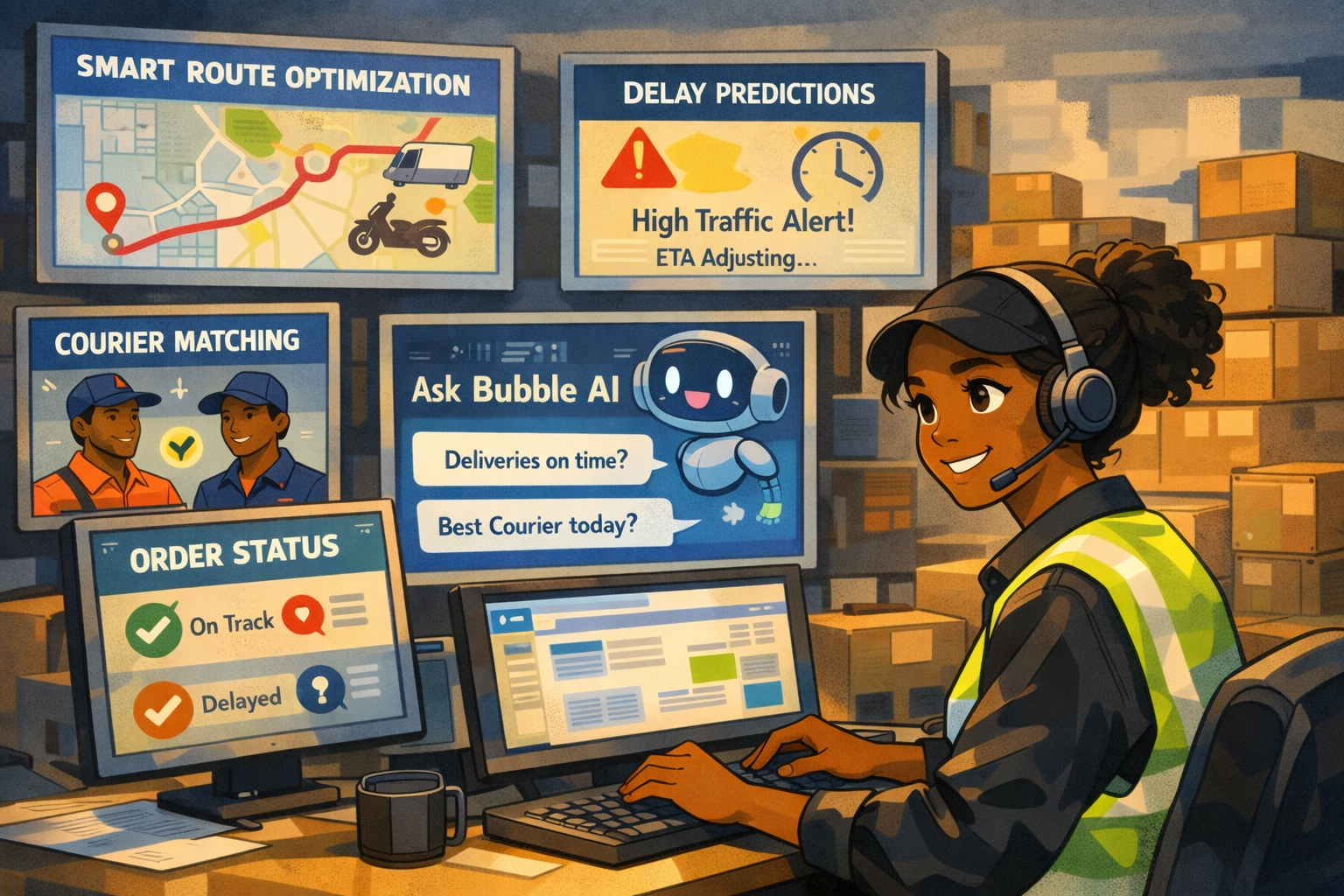
One of the biggest ways AI helps logistics is route optimization. Instead of guessing routes, relying on riders’ instincts, or reacting late to traffic issues; AI analyzes distance, traffic patterns, delivery urgency, and courier availability.
Then it recommends the most efficient route.
For Nigerian businesses, this means faster deliveries, lower delivery costs, and fewer failed or delayed orders
2. Predicting Delays Before They Happen
This is where AI starts to feel almost “magical”.
AI systems don’t just react, they predict. By analyzing past delivery data, AI can spot patterns like which routes always delay after 4pm, which couriers struggle with certain locations, and which delivery types are more likely to fail.
So instead of telling customers “Sorry for the delay”, you’re already adjusting before the delay happens.
That’s a huge shift.
3. Better Courier Matching (Right Job, Right Rider)
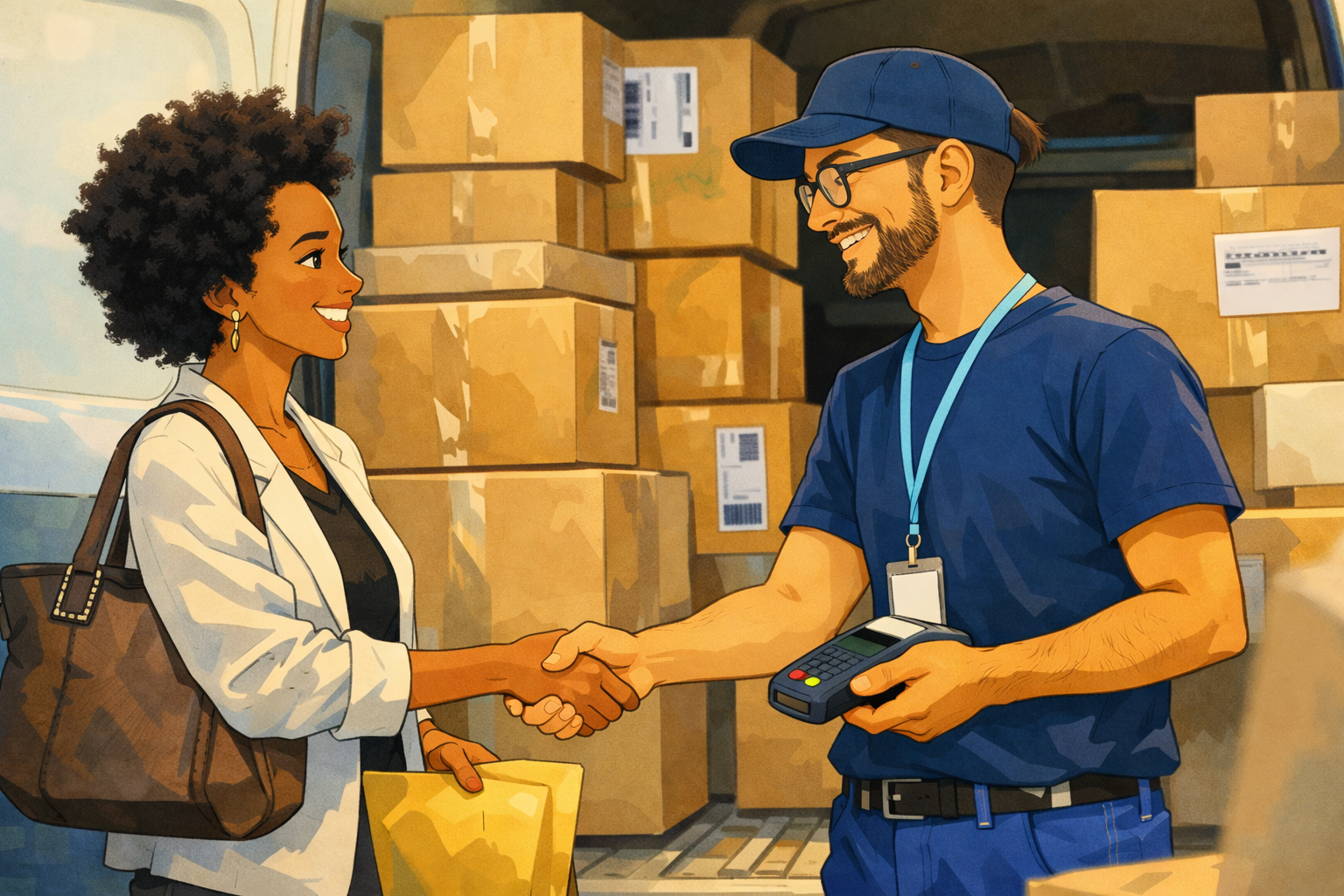
Not every courier is good for every delivery.
Some are better with food deliveries, fragile items, long-distance routes, same-day or express deliveries. AI helps logistics platforms match deliveries to the most suitable courier, based on performance data, not guesswork.
For businesses, what this means is that there are fewer damaged items, fewer customer complaints and more consistent delivery experience.
4. Automation of Repetitive Logistics Tasks
Let’s be honest, logistics has too many repetitive tasks. From checking delivery status, answering “Where is my order?”, and tracking courier performance to managing delivery records. AI automates these tasks.
This frees business owners to focus on sales, marketing, customer relationships and growth.
You don’t scale a business by chasing dispatch riders all day.
5. AI as a Logistics Assistant (This Is Where It Gets Interesting)
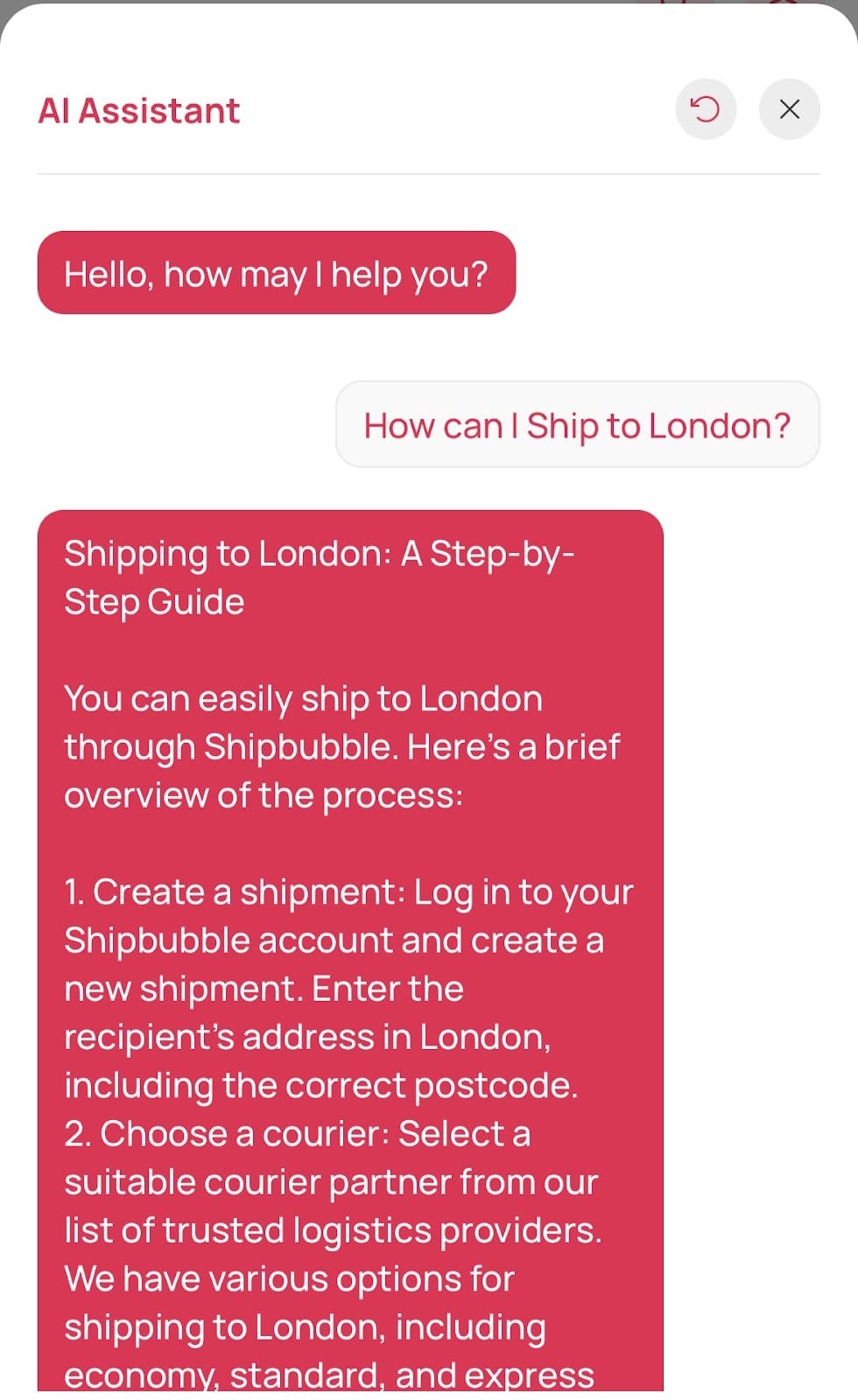
AI is no longer just working behind the scenes, it’s now talking to users.
This is where AI assistants come in. At Shipbubble, this shows up as Bubble AI.
You don’t have to spend so much time digging through dashboards, asking support multiple questions, or guessing what to do next. Bubble AI is here to help you out. You can ask direct questions including how to fund your wallet, how to ship, which couriers to use and many more.
So, you are not just making decisions, you are making informed logistics decisions.
Why AI Matters More as Your Business Grows
The truth is: what works at 50 orders will break at 500 orders.
Manual logistics collapses under scale. That is why AI helps logistics systems to grow without stress. With Bubble AI, you can maintain speed as volume increases, keep customers happy even during peak periods, and have answers to the questions you may have,
This is why serious ecommerce brands don’t rely on one courier, they rely on systems.
The Future of Logistics in Nigeria Is Intelligent
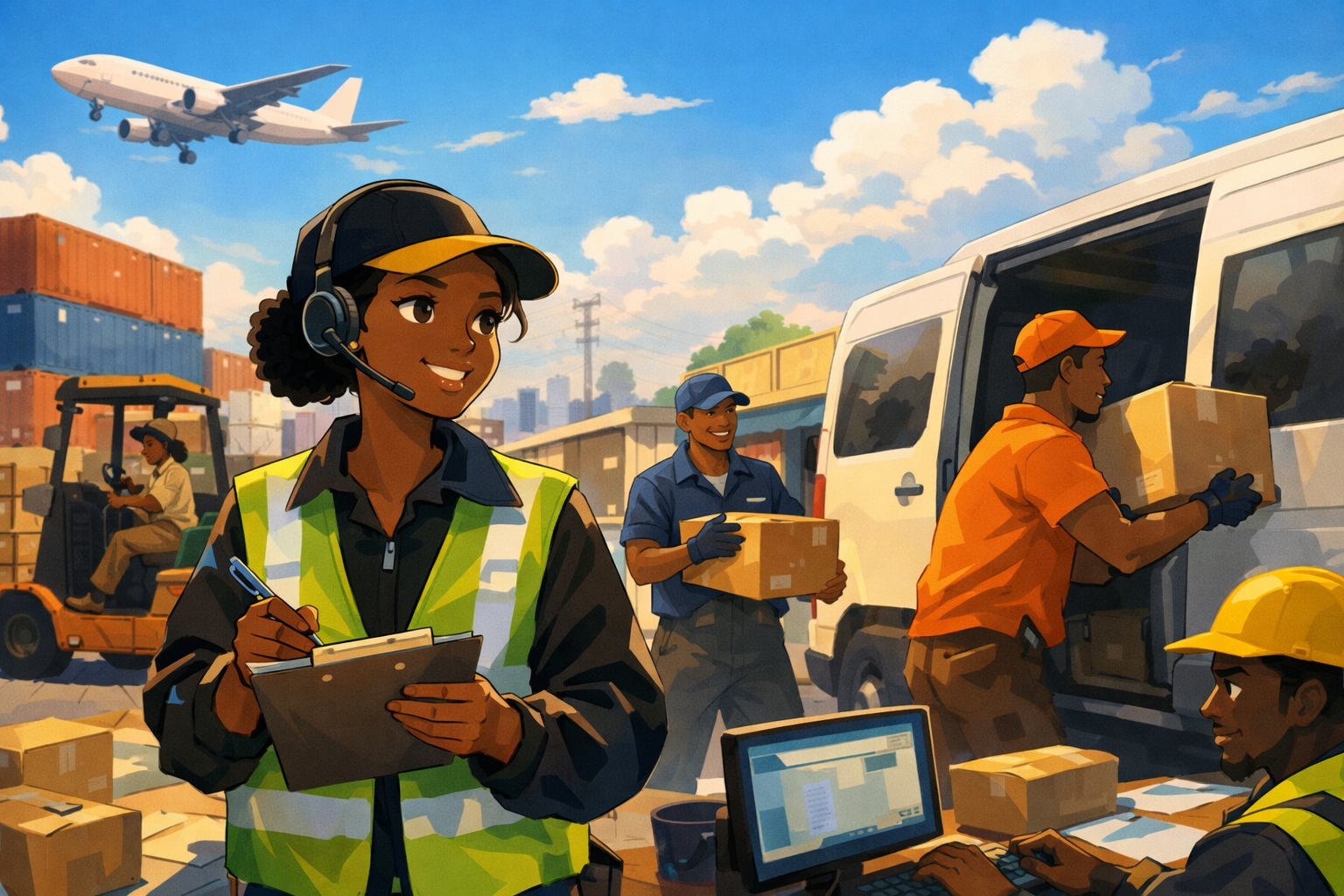
Nigeria’s logistics future will not be built on phone calls, whatsApp groups or more manual tracking. It will be built on data-driven decisions, intelligent systems, and automation that scales
AI is no longer optional, it’s becoming the backbone of modern logistics.
So, you need to stop living in the past, stop handling things manually; embrace automations and systems. AI in logistics is about peace of mind, visibility and control, even as your business grows.
And sometimes, when you’re not sure what to do next…
You don’t guess. You ask.
That’s exactly why Bubble AI exists.