Someone just placed an order on your website.
The payment went through. The order confirmation email was sent. You might even have smiled and thought, good.
Now the real work starts.
Because once an order is confirmed, you’ve made a commitment. Not a marketing promise. A practical one. A promise to get the right product to the right person, within the time you implied, without drama.
This is the part of e-commerce most founders don’t see clearly laid out. Not because it’s complicated, but because it happens quietly. And it’s exactly where delivery infrastructure and tools like Shipbubble come in.
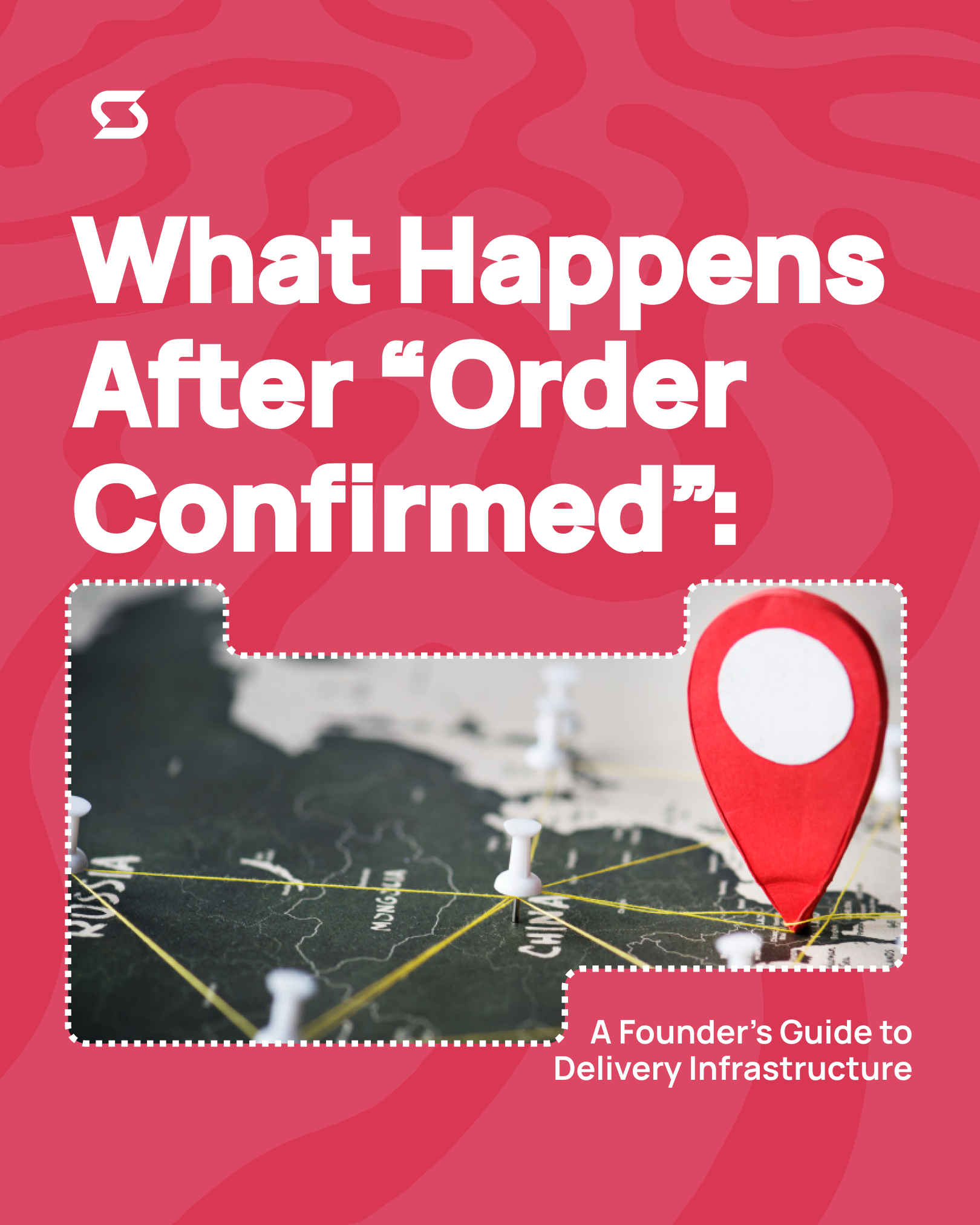
Let’s walk through what actually happens after “Order Confirmed.”
Step 1: The Order Becomes a Set of Instructions
At this point, the order stops being a notification and becomes a task list.
Who is the customer? Where does the package need to go? What exactly was ordered? How should it be delivered? When is it expected to arrive?
Delivery infrastructure takes this information and makes it usable. Addresses are cleaned up. Phone numbers are confirmed. Payment status is clear. Product details are structured.
With Shipbubble, this happens in one place. Orders flow directly from your store into a single dashboard where nothing is scattered or manually rewritten.
When this part is solid, everything else becomes easier.
Step 2: Inventory Is Locked In

Once an order is confirmed, that item should no longer be “available.” It belongs to someone.
Inventory needs to be updated immediately. This is what prevents overselling products and awkward follow ups. As a founder, this is peace of mind. You know that once every order is confirmed, it can actually be fulfilled.
When your order system and delivery system talk to each other, as they do with Shipbubble integrations, you’re not guessing. You’re working with what’s real.
Step 3: Picking and Packing Turn Digital Orders Into Real Packages
Now someone has to physically prepare the order.
The correct item is picked and the variant is checked. The package is put together in a way that makes sense for the product and the journey ahead.
Good delivery systems bring structure here.You get clear order details, consistent packing flow and labels that match exactly what’s going out.
When founders don’t have to second guess what’s inside a box, fulfillment stops being stressful.
Step 4: The Order Is Assigned a Delivery Option

This is where many founders feel the strain. Dispatch.
Who should handle this delivery? Which courier covers this location? How much will it cost? How fast will it arrive?
Doing this manually works for a while. Then orders grow and decisions pile up.
Shipbubble handles this step by giving founders access to multiple courier options in one place. You can see rates, routes, and delivery timelines without calling different riders or juggling chats.
The order gets a clear path forward, without guesswork.
Step 5: The Customer Starts Seeing Movement
From the customer’s side, delivery begins with updates.
They want to know the order has left. They want to track it. They want to have an idea of when it will arrive.
This is where delivery infrastructure quietly protects your brand. Tracking links are sent automatically. Order statuses update in real time. Customers don’t have to ask questions you already know the answer to.
With Shipbubble, these updates are built into the process, not handled as afterthoughts.
Step 6: The Package Reaches the Customer

This is the handoff and the final stretch.
The rider completes the route. The customer receives the package, and the order is marked delivered.
From the customer’s perspective, this moment matters more than anything that came before it. They don’t think about logistics. They just know whether it felt smooth.
When delivery works quietly, customers trust your brand without thinking about why.
Step 7: The Order Is Closed Properly
After delivery, the work isn’t ignored. It’s completed.
Delivery confirmation is recorded. Proof is stored. Payment is settled where needed.
This data lives in your system and helps you see patterns over time. Delivery timelines. Courier performance. Customer locations. All the things founders need when planning growth.
Shipbubble keeps this information visible so delivery doesn’t disappear into guesswork.
Why This Matters for Founders
When delivery follows a clear process, the business feels lighter.
Orders move without constant checking, teams work from one source of truth, customers stay informed. Founders stop managing dispatch personally.
You don’t need to become a logistics expert. You just need the right infrastructure supporting your growth. And that’s why Shipbubble exists.