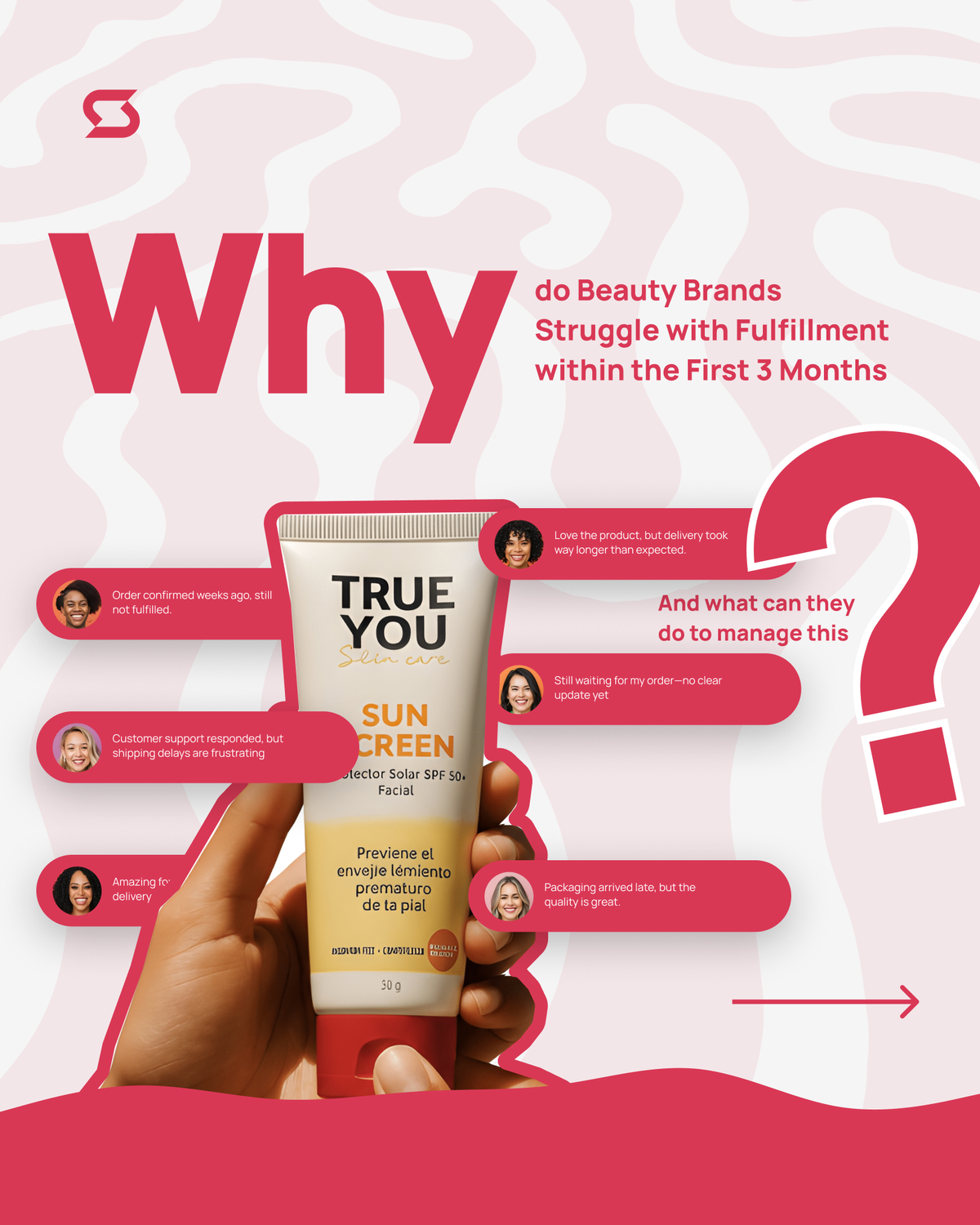
Your first set of orders should feel like a win. Instead, for many beauty founders, they panic.
Orders come in faster than expected. Couriers are suddenly unavailable. Packages spill, break, or arrive late. Customers start asking questions before you’ve even figured out your process. Within the first three months, many beauty brands realize that creating a great product is only half the battle. Delivering it well is where things begin to fall apart.
Here’s why fulfillment becomes such a major challenge so early and what beauty brands can do differently.
1. Orders Are Unpredictable (Especially After Launch)
Most beauty founders plan for steady growth. A few orders today, a few more tomorrow. But launches rarely behave that way. Influencer campaigns, PR boxes, flash sales, and TikTok virality can trigger sudden spikes in demand with little warning.
One viral post can turn 20 daily orders into hundreds overnight. For a new brand without systems, this creates chaos: delayed dispatches, stock confusion, missed pickups, and overwhelmed teams. Growth isn’t the problem. Being unprepared for uneven growth is.
What to do Beauty brands need fulfillment systems built to handle spikes, not averages. Automated order syncing, access to multiple courier partners, and structured workflows help brands absorb sudden demand without breaking operations.
2. Manual Fulfillment Doesn’t Scale

Most early-stage beauty brands start manually. WhatsApp messages to dispatch riders. Handwritten or manually generated waybills. One courier partner handling every order.
At 10 orders a day, this works. At 50 or more, it collapses. Orders get missed. Waybills are duplicated. Deliveries fail with no visibility. Founders spend more time chasing logistics than growing the business.
Manual fulfillment also increases human error, from wrong addresses to incorrect items, all of which quickly damage customer trust.
What to do Automation is not a luxury. It is essential. Integrating fulfillment into your e-commerce platform allows orders to flow automatically. Waybills are generated instantly, and deliveries are tracked without constant follow-up. Automation removes humans from repetitive logistics tasks early.
3. Packaging and Compliance Issues

Beauty products face extra friction during shipping. Liquids can spill. Powders can leak. Glass bottles can break. Without the right packaging, brands experience high rates of damaged deliveries and costly replacements.
Shipping across states or internationally adds another layer. Missing labels, incorrect documentation, or improper classification can lead to delays, returns, or confiscation. Many new beauty brands don’t realize that fulfillment includes compliance, not just delivery.
What to do Packaging must be designed for logistics, not just aesthetics. Leak-proof seals, protective cushioning, clear labeling, and standardized packing processes reduce damage and delays. Working with fulfillment partners experienced in beauty shipping minimizes costly mistakes.
4. Customer Experience Is Underestimated
Early-stage beauty brands focus heavily on marketing and visibility. Post-checkout experience often gets overlooked.
Beauty customers expect fast delivery, clean and premium packaging, real-time tracking, and clear communication. When orders arrive late, damaged, or untracked, customers don’t blame logistics. They blame the brand.
In a competitive beauty market, one poor delivery experience can permanently lose a customer.
What to do Fulfillment must be treated as part of the customer experience. Automated notifications, reliable delivery timelines, and transparent tracking should be standard from day one. Seamless logistics makes the brand feel trustworthy and premium.
5. No Fulfillment Infrastructure
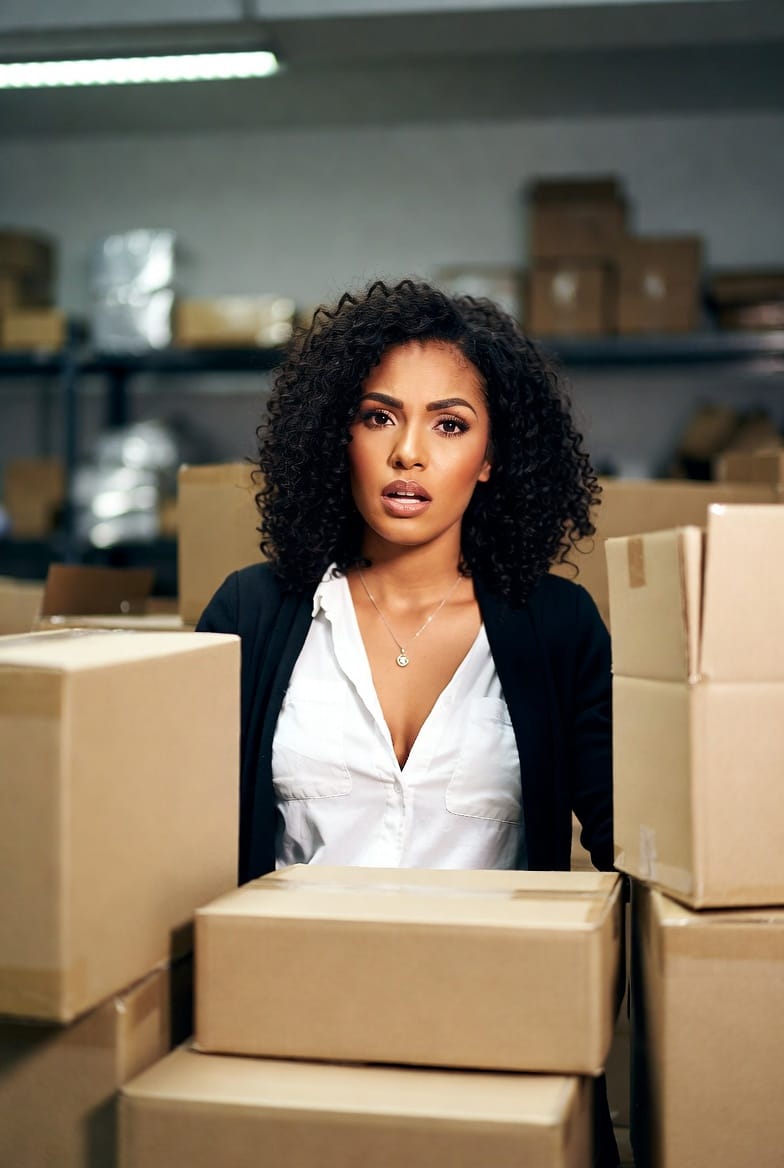
The biggest issue is mindset. Many beauty founders see fulfillment as something to fix later. They underestimate its complexity, delay investing in proper systems, and treat delivery as an afterthought.
But fulfillment is part of the product. If your serum is amazing but arrives late or broken, the experience has already failed.
What to do Founders must build fulfillment infrastructure early. This means choosing scalable logistics partners, centralizing order management, and setting clear fulfillment standards. Strong infrastructure allows brands to grow with confidence instead of constantly reacting to problems.
What’s the Fix?
Beauty brands that survive and scale do four things differently. They plan for unpredictable demand. They automate fulfillment early. They treat logistics as a core part of the brand experience. And they achieve logistics automation through Shipbubble’s APIs.
The first three months don’t have to be chaotic. With Shipbubble’s API integration, beauty brands can focus on product quality, customer loyalty, and sustainable growth without drowning in delivery issues.
To explore this further and learn how to build smarter fulfillment systems for your beauty brand, feel free to send us a DM on any of our social media accounts, or leave comments below.