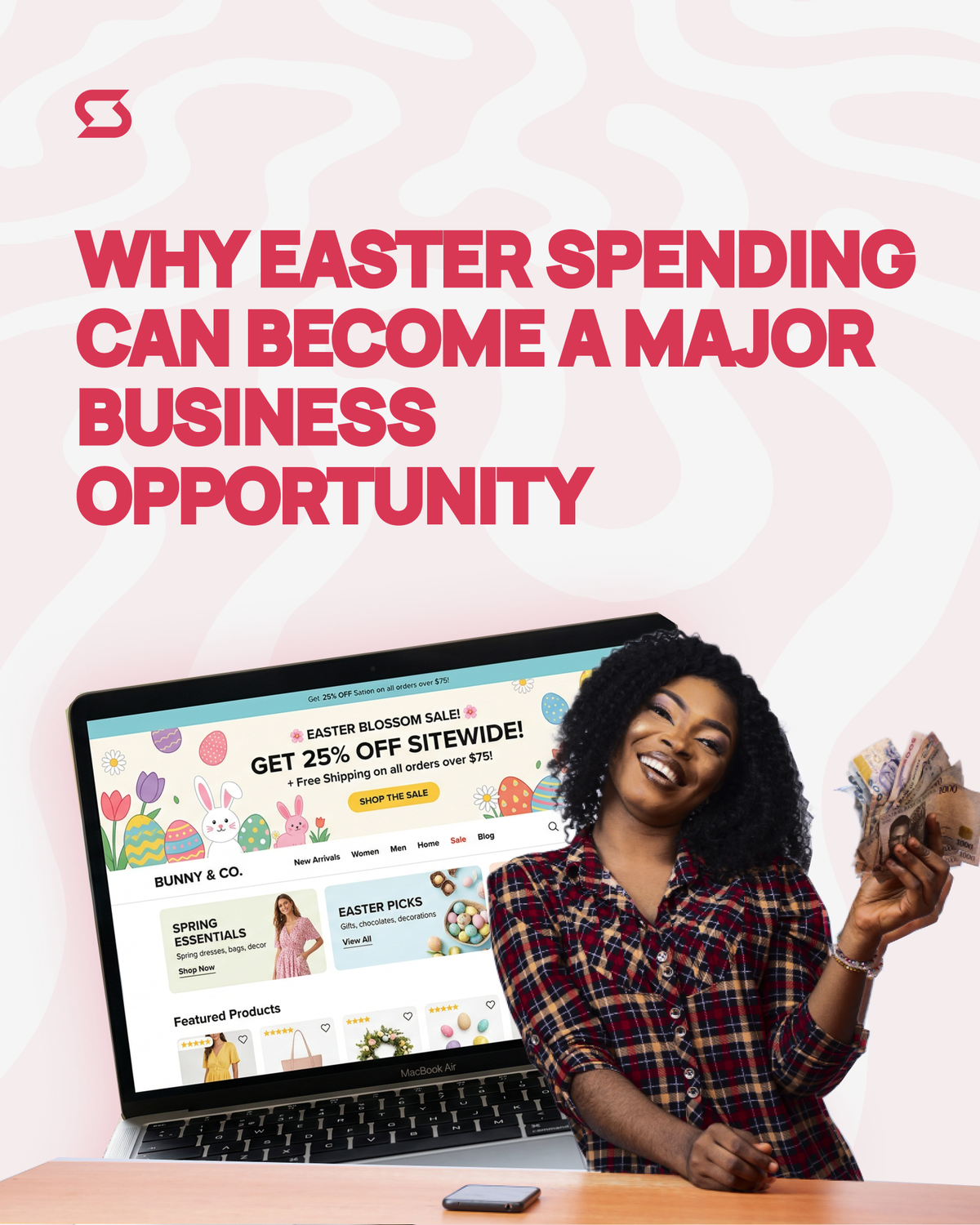
Is it too early to start talking about Easter spending?
Easter is not like any typical sales season. There is no long build-up, no extended hype cycle, and yet, within a short period, customer activity rises sharply across fashion, food, gifting, and delivery.
For business owners, the mistake is often in how Easter is interpreted. It is treated as a date on the calendar instead of a shift in customer behavior. In reality, Easter spending is driven by intent, not promotion.
If you understand what customers are trying to do during this period, it becomes much easier to position your business effectively.
At the core, Easter spending revolves around three simple motivations.
“I Need to Show Up”
Easter is a highly social moment. People are attending church services, visiting friends and family, and being seen in public more than usual. In that context, appearance matters.
Customers begin to evaluate what they already own and quickly realise that it may not meet the standard they want for the occasion. This is where demand for clothing, grooming, and accessories increases.
It is not necessarily about buying more. It is about presenting better.
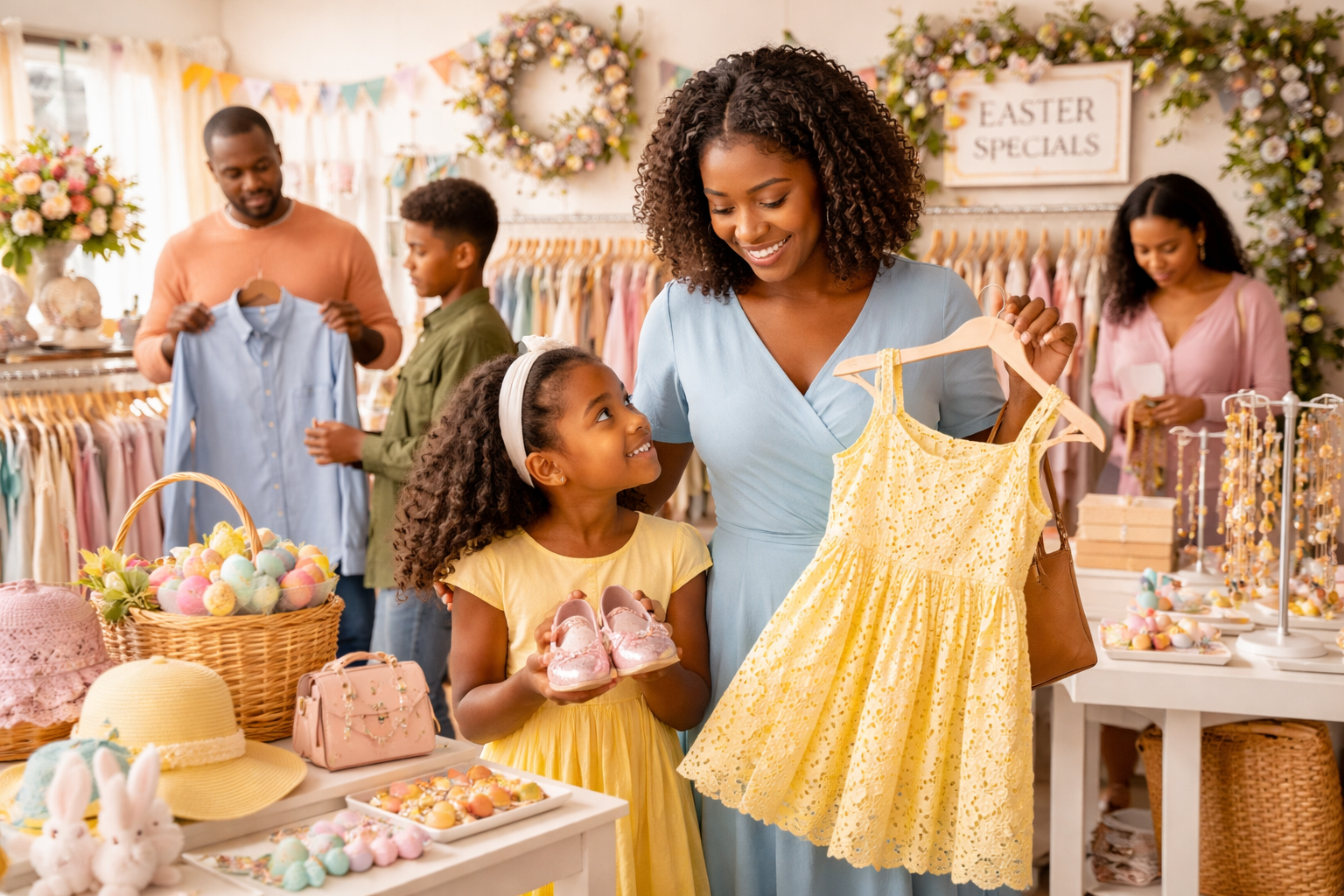
For fashion brands, beauty businesses, and lifestyle vendors, this period creates a predictable spike in intent. Customers are not browsing casually. They are actively preparing for visibility.
The implication is clear. Your offering is not just a product, it is part of how your customer shows up during an important social moment.
“I need to host or visit”
Easter brings people together in a more intentional way. Travel increases, visits become more frequent, and homes become spaces for hosting.
This naturally influences spending patterns.
Customers begin to purchase food items, plan meals, prepare drinks, and sometimes buy gifts to take along when visiting others. On the hosting side, there is a need to ensure that the home experience is comfortable and welcoming, which can include groceries, catering, or simple home setups.
In this context, Easter spending is not driven by personal consumption alone. It is driven by social responsibility and cultural expectations.

For businesses in food, gifting, and home essentials, Easter represents a period where products are not just being bought, they are being used to facilitate connection between people.
“I need it fast”
As the holiday approaches, a significant portion of demand shifts into last-minute decisions.
Customers who delayed their plans suddenly need to act quickly. An outfit is needed before a specific day. A gift is required for a planned visit. Food needs to arrive on time for a gathering.
At this stage, the decision-making process changes. Customers become less sensitive to comparisons and more focused on availability and reliability. Speed begins to outweigh price, and convenience becomes a deciding factor.
This is where many businesses either perform well or struggle.
If your operations cannot keep up with urgent demand, you risk losing not just the sale, but the customer’s trust. On the other hand, businesses that can consistently deliver on time gain a strong advantage during this period.
This is where logistics becomes a defining factor in the Easter experience.
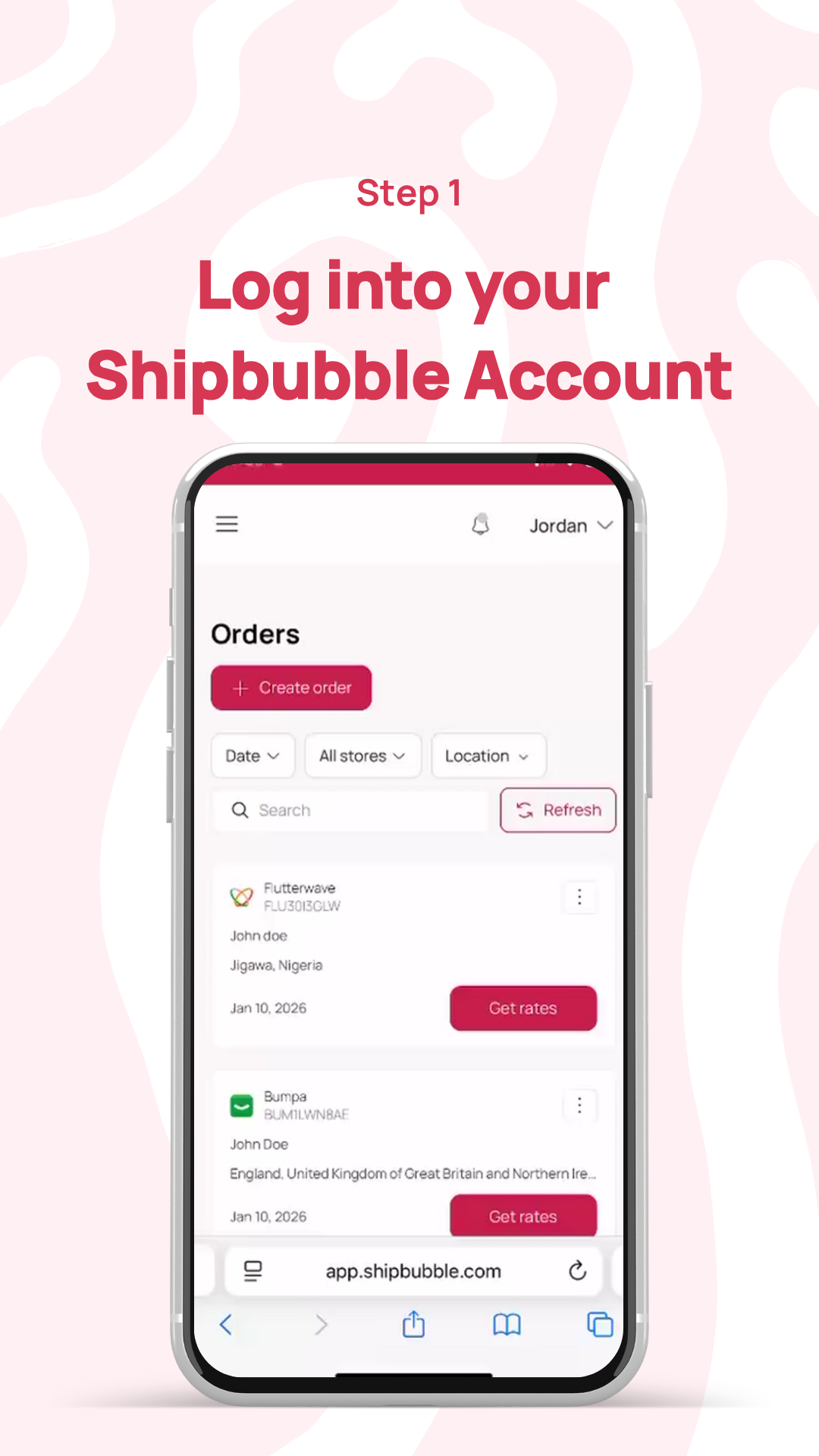
Platforms like Shipbubble help business owners manage this pressure by connecting them to multiple courier services, allowing them to compare delivery options, automate dispatch, and improve fulfillment speed.
Instead of manually coordinating with different riders or losing time during peak periods, businesses can centralize their deliveries, reduce delays, and maintain better control over order fulfilment.
During Easter, when delivery timelines are tight and customer expectations are higher, having a system like Shipbubble in place helps ensure that what was promised actually arrives when it should.
The business takeaway
Easter is not simply a seasonal opportunity to run promotions. It is a concentrated period of intent where customer behavior becomes more predictable if you understand the underlying motivations.
Customers want to show up well, they want to connect with others, and they want to get things done quickly.
If your business aligns with these three needs, you are not chasing demand. You are meeting it at the point where it naturally occurs.
And in a market like Nigeria, where timing, reliability, and delivery experience directly influence customer satisfaction, tools like Shipbubble become more than operational support. They become part of how you consistently deliver value during high-demand periods like Easter.