
One thing nobody tells you when starting an ecommerce brand in Nigeria is this: you’re not just selling products anymore. You’re now in the business of logistics too.
Once somebody pays, the next thing on their mind is, “When will I get my order?”
And honestly, fair enough.
We’ve all bought something online before and immediately entered panic mode. The rider stops answering calls, delivery timeline starts expanding, nobody gives updates, or the delivery fee looks like it’s trying to buy the item too.
Logistics is slowly becoming the face of ecommerce in Nigeria, why? Because it determines if you remain local or you go global.
Ecommerce in Nigeria Has Changed
A few years ago, many brands only focused on selling to people around them. Maybe customers could send a dispatch rider themselves or pick up from a physical location.
But ecommerce has changed now.
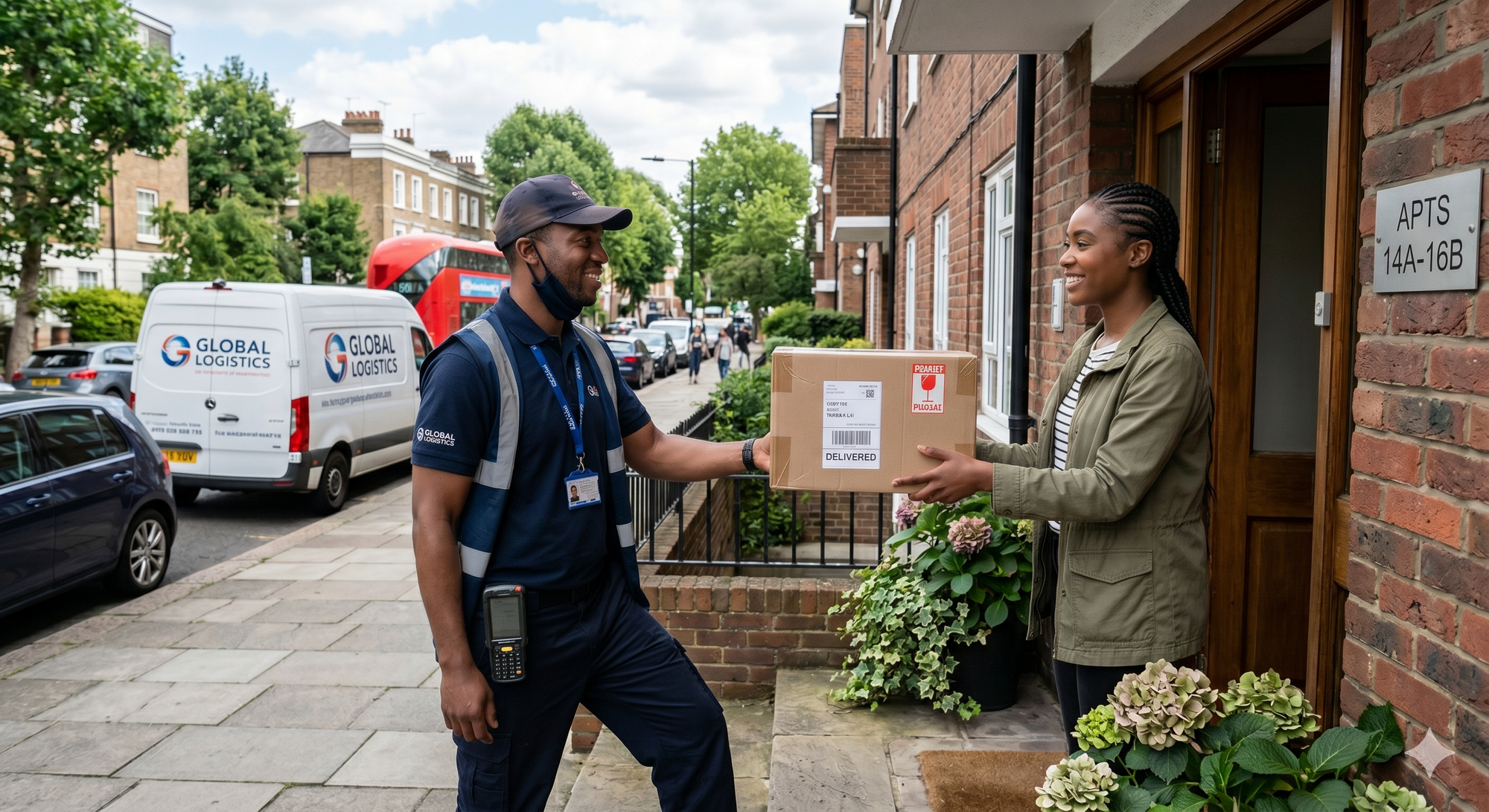
Somebody in Abuja can discover a Lagos brand on TikTok at 1am, and place an order immediately. Someone in Canada can buy from a store at a place they’ve never been physically just because the product looked good online.
People are no longer shopping based on location alone. They are shopping based on trust. So, once people trust your brand enough to pay online, delivery becomes part of that trust system.
What Happens Behind the Scenes During Nationwide Shipping
A lot of customers imagine delivery as one simple movement from Point A to Point B.
You place an order. A rider picks it up. It arrives at your doorstep.
But for most ecommerce brands, especially when nationwide shipping is involved, the process is far more layered than customers realize.
Once an order comes in, the first thing that happens is usually order confirmation and packaging. After that, pickup has to be scheduled with a courier company or dispatch rider. Depending on the delivery partner, the package may move from the seller’s location to a sorting hub, where orders heading to different states or regions are grouped together before transportation begins.
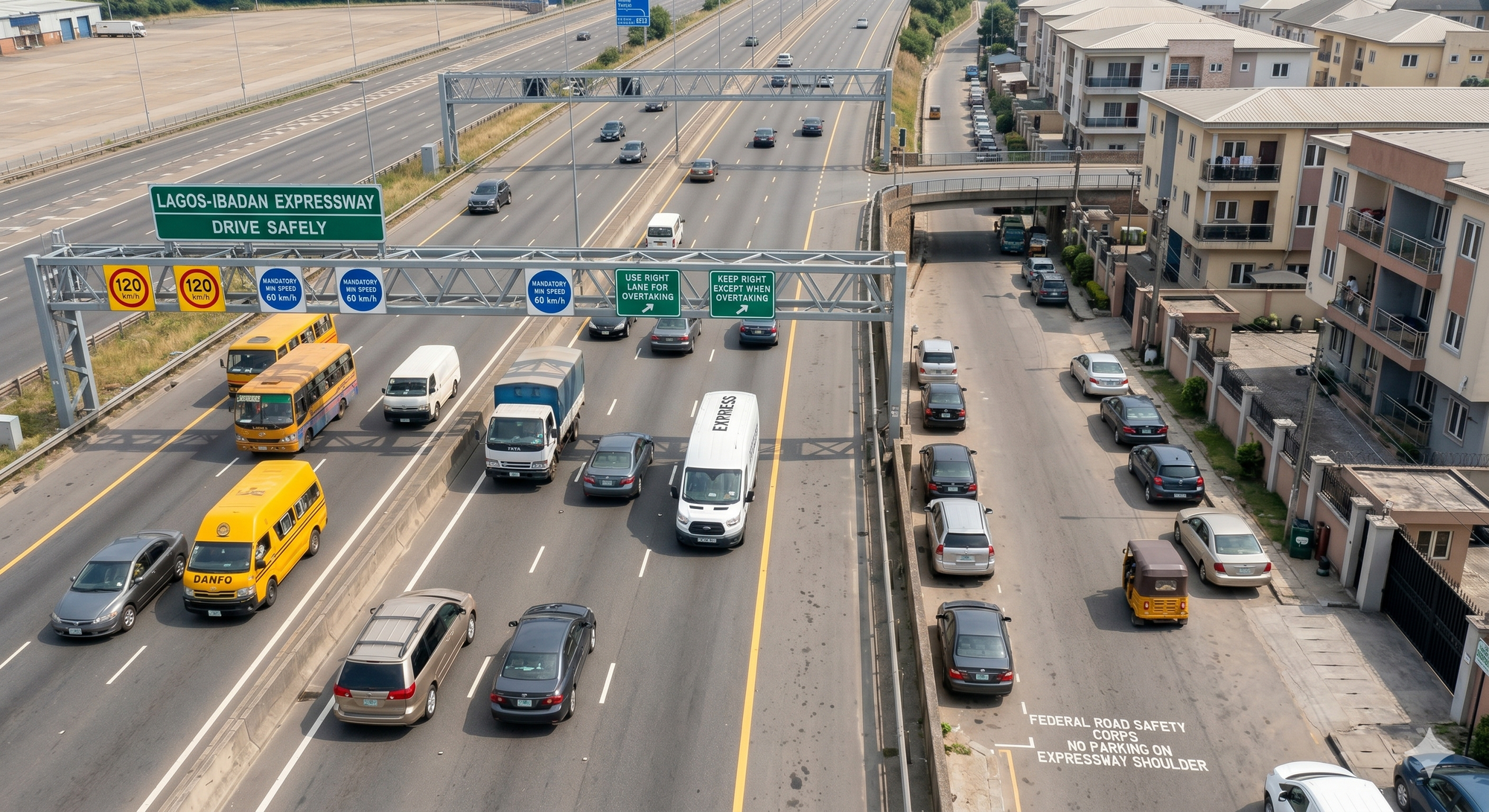
From there, the package might travel through interstate transport systems by road or air before arriving at another dispatch station closer to the customer’s location. Then another rider or local delivery agent handles the final delivery process to the customer’s doorstep.
And all of this is happening while businesses are also dealing with real-life Nigerian logistics problems:
- traffic delays
- fuel issues
- weather conditions
- incomplete delivery addresses
- customers not answering calls
- failed delivery attempts
- rescheduling requests
- riders struggling to locate certain areas
Sometimes a package can even be delayed simply because a customer’s phone number is unreachable for a few hours. From the customer side, it may just look like: “My order is late.”, but from the business side, there are often multiple moving parts involved behind the scenes before that package finally gets delivered successfully.
This is why nationwide shipping becomes difficult to manage manually once order volume starts increasing. At first, many ecommerce businesses coordinate deliveries through WhatsApp chats, phone calls, and individual rider relationships. One rider handles Lagos deliveries, another handles interstate orders.
What this causes is burnout, especially as volume increases. This is because tracking updates become scattered across different platforms and conversations. Requiring more manpower, time and effort. Businesses start spending more time coordinating deliveries than actually growing the brand.
This is why more ecommerce brands are moving toward shipping platforms like Shipbubble, where they can compare courier options, manage nationwide and international deliveries, track orders, and handle shipping operations from one dashboard instead of chasing multiple riders across calls all day.
Once ecommerce starts growing, delivery becomes the business itself. And, if you’re unable to build systems around it, the business is at the risk of breaking. This problem doesn’t end with nationwide deliveries alone.
International Shipping Comes With Different Challenges
As more Nigerian ecommerce brands continue to expand internationally, especially in industries like fashion, beauty, food products, skincare, and handmade goods. They face a broader challenge with logistics.
Nigerians in the diaspora still want access to local brands they love, and social media has made discovery easier than ever. Someone in London can find a Nigerian fashion brand on TikTok today and place an order immediately. Someone in Canada can discover a skincare product through Instagram and want it shipped across continents without thinking twice.

International shipping introduces an entirely different layer of complexity very quickly. Now businesses have to think about customs processing, shipping documentation, international courier pricing, delivery timelines, duties, taxes, package restrictions, and return issues. Something as simple as incomplete paperwork can delay a package for days or even weeks.
Unlike local deliveries where customers may be a little more understanding, international customers usually expect a smoother experience because they are already paying significantly more for shipping. If communication is poor, customers notice immediately, tracking updates need to be clear, or customers lose confidence quickly. If delivery feels stressful or disorganized, many customers simply will not order again.
This is why many growing ecommerce businesses are now looking for shipping systems that can handle both nationwide and international deliveries in one place instead of manually juggling multiple courier relationships, scattered tracking systems, and endless delivery coordination across calls and chats.
Shipbubble is helping brands simplify the delivery process by giving businesses access to multiple courier options, centralized tracking, and shipping management tools that make handling deliveries across different locations far less chaotic.
The Bottom Line
Ecommerce has changed, selling good products is no longer enough. Customers now judge brands by the entire experience that comes after payment, and delivery sits at the center of that experience. It affects factors like;
- customer trust
- repeat purchases
- brand reputation
- growth
- and how far your business can scale
The brands growing successfully today are not necessarily the brands with the loudest marketing. They are usually the brands building better systems behind the scenes, especially around fulfillment and delivery.
That’s why platforms like Shipbubble are becoming an important part of modern ecommerce operations for Nigerian brands. Instead of handling deliveries through scattered calls, chats, and multiple courier arrangements, businesses can manage nationwide and international shipping from one place with better visibility and coordination.
At the end of the day, customers may forget your content, ads, or packaging, but they will always remember if getting their order felt easy or stressful.