Reducing shipping costs is one of the fastest ways to increase profit margin.
As your order volume grows, so do your delivery costs. A few hundred naira extra on each shipment might not seem like much at first, but over hundreds or thousands of orders, it can significantly reduce your profit margins.
For customers, shipping costs can also influence whether they complete a purchase.
The good news is that reducing shipping costs for your online store doesn't have to mean slower deliveries or compromising on customer experience. With the right strategies, you can lower logistics expenses while maintaining reliable service.
Here's how;
1. Compare Courier Rates Before Every Shipment
One of the most common mistakes online businesses make is relying on a single logistics provider for every delivery.
No courier is the cheapest or fastest for every route.
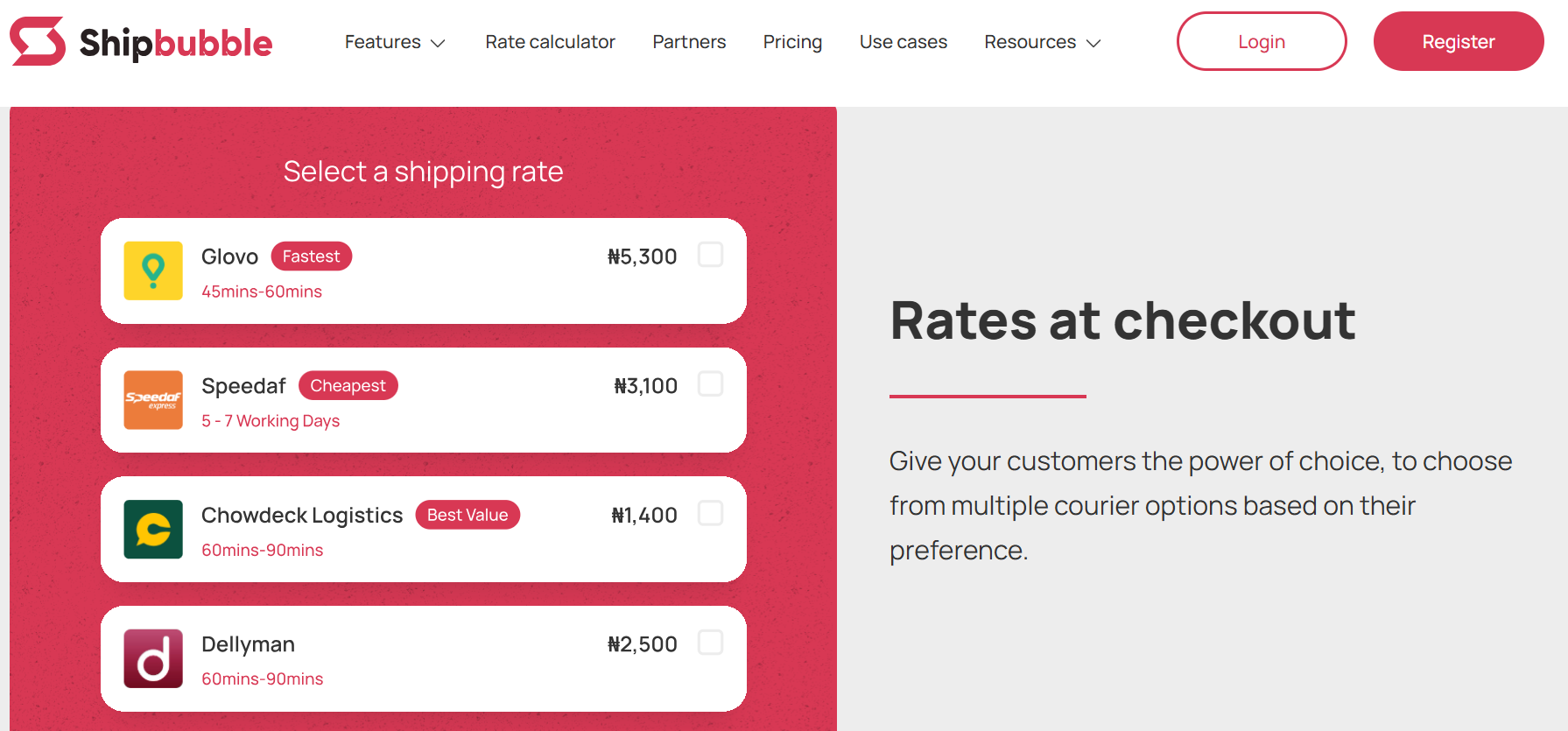
For example, a courier that offers competitive pricing for deliveries within Lagos may charge significantly more for deliveries to Jos, Uyo, or Maiduguri. Another provider might have better rates for interstate deliveries but higher fees for same-day shipping.
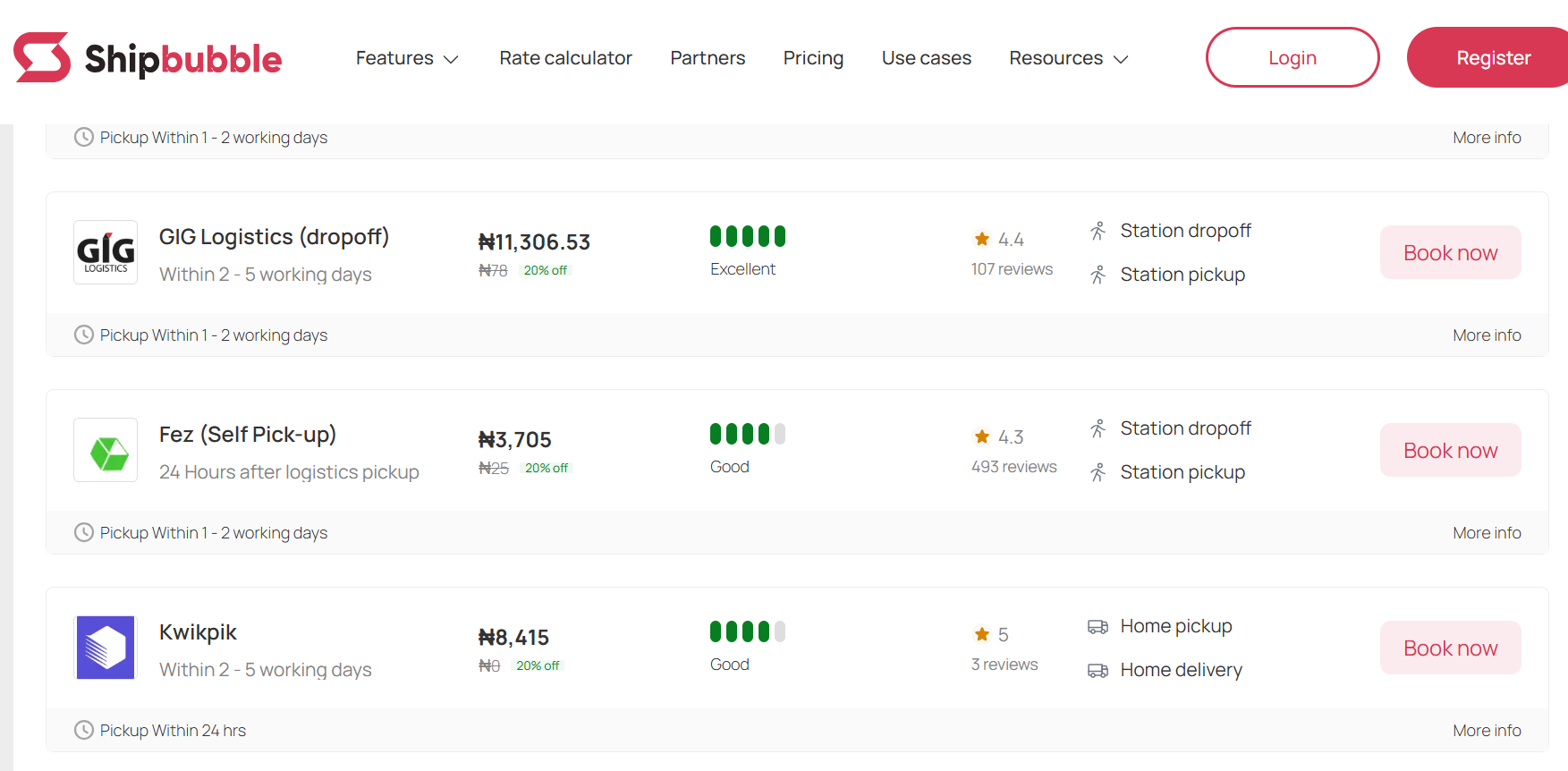
Comparing courier prices before dispatching each order helps ensure you're getting the best value based on the destination, parcel size, and delivery speed.
This is where a shipping aggregator becomes valuable. Instead of requesting quotes from multiple courier companies individually, platforms like Shipbubble let you compare rates from several logistics partners in one place and choose the option that works best for each shipment.
2. Choose the Right Delivery Speed
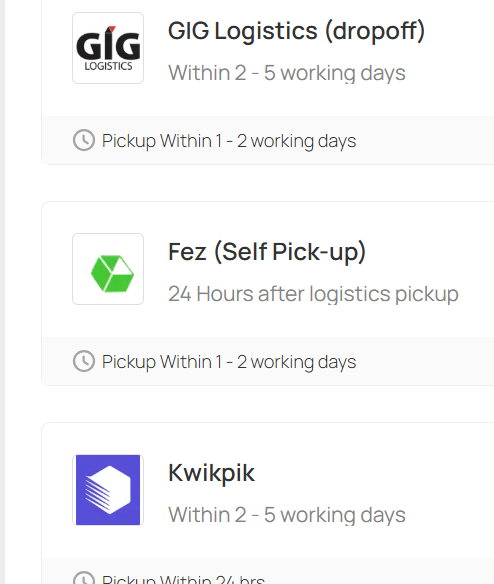
Not every customer needs express delivery.
Many shoppers are happy to wait an extra day or two if it means paying less for shipping.
Offering different delivery options gives customers flexibility while helping you manage shipping costs more effectively. Consider providing options such as:
- Economy delivery
- Standard delivery
- Express delivery
- Same-day delivery (where available)
Matching the delivery speed to the customer's needs can reduce your overall logistics costs without affecting satisfaction.
3. Reduce Packaging Costs
Packaging affects more than presentation, it also influences what you pay to ship.
Larger or heavier packages often cost more, even if the product inside is relatively small.
Review your packaging regularly and ask:
- Are your boxes larger than necessary?
- Can you switch to lighter packaging materials?
- Are you using excessive fillers?
- Can multiple packaging sizes be standardized?
Using right-sized packaging protects products while avoiding unnecessary shipping charges.
It's also worth buying packaging materials in bulk if your order volume supports it, as this can reduce your overall packaging expenses.
4. Consolidate Orders Whenever Possible
If a customer places multiple orders within a short period, consider shipping them together instead of dispatching each order separately.
Consolidated shipments can reduce:
- Delivery fees
- Packaging costs
- Handling time
Some businesses encourage this by allowing customers to combine orders before dispatch or by introducing a short processing window during peak shopping periods.
Besides lowering shipping costs, fewer deliveries can also improve operational efficiency.
5. Automate Your Shipping Process
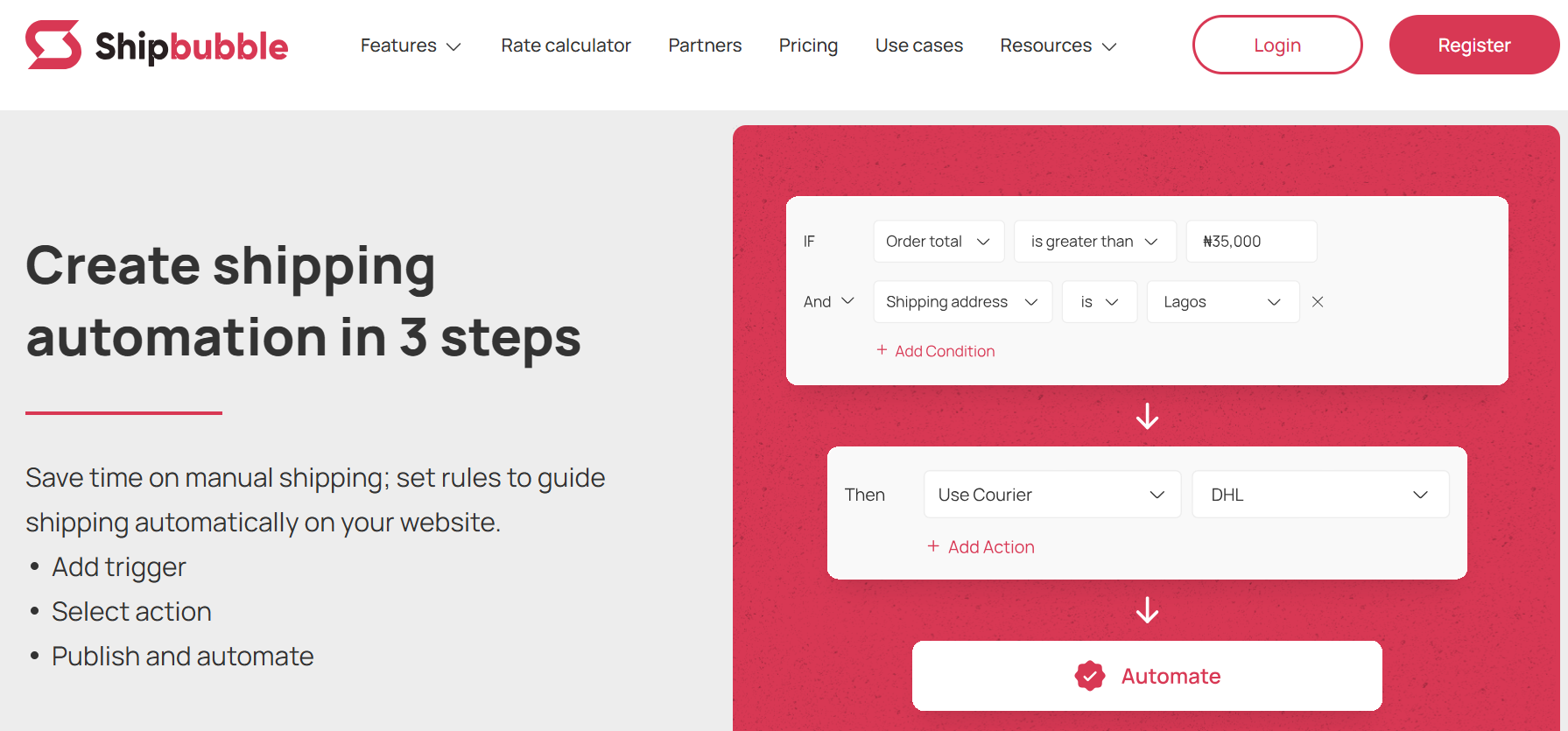
Manual fulfilment can be surprisingly expensive.
Entering customer addresses by hand, contacting courier companies individually, generating shipping labels manually, and tracking deliveries across multiple platforms all consume valuable time.
Automation helps eliminate repetitive tasks while reducing errors that can lead to failed deliveries or return shipments.
A shipping management platform can automate tasks such as:
- Creating shipments
- Printing shipping labels
- Tracking deliveries
- Sending delivery updates to customers
- Managing multiple courier partners from one dashboard
The time saved allows your team to focus on growing the business instead of handling routine logistics.
6. Negotiate Better Shipping Rates
As your shipping volume increases, you gain more bargaining power.
Many courier companies offer discounted rates to businesses that ship consistently or meet monthly volume thresholds.
If negotiating with multiple logistics providers feels time-consuming, shipping aggregators can simplify the process by giving merchants access to pre-negotiated rates that may be lower than what individual businesses can secure on their own.
This can be especially helpful for small and medium-sized businesses that are still scaling.
7. Monitor Which Couriers Perform Best
The cheapest courier isn't always the most cost-effective.
A lower delivery fee means little if it results in delayed deliveries, damaged parcels, or frequent customer complaints.
Track performance metrics such as:
- Average delivery time
- Successful delivery rate
- Failed delivery attempts
- Return rates
- Customer complaints
- Cost per shipment
Over time, these insights help you identify which courier partners consistently deliver value, allowing you to make informed decisions rather than choosing based on price alone.
8. Reduce Failed Deliveries
Every failed delivery costs money.
When a rider cannot reach a customer or a package is returned, you may end up paying for additional delivery attempts or return logistics.
To reduce failed deliveries:
- Confirm customer addresses before dispatch.
- Verify phone numbers during checkout.
- Notify customers before delivery.
- Share tracking updates automatically.
- Encourage customers to be available during the estimated delivery window.
Improving delivery success rates is one of the simplest ways to lower overall logistics costs.
9. Review Your Shipping Strategy Regularly
Customer demand changes throughout the year.
What works during slower months may not be suitable during peak shopping seasons like Black Friday, festive periods, or promotional campaigns.
Set aside time each month to review:
- Average shipping cost per order
- Delivery performance
- Courier pricing changes
- Customer feedback
- Regional delivery trends
Small adjustments made consistently often have a greater impact than major operational changes implemented once a year.
10. Use a Shipping Management Platform
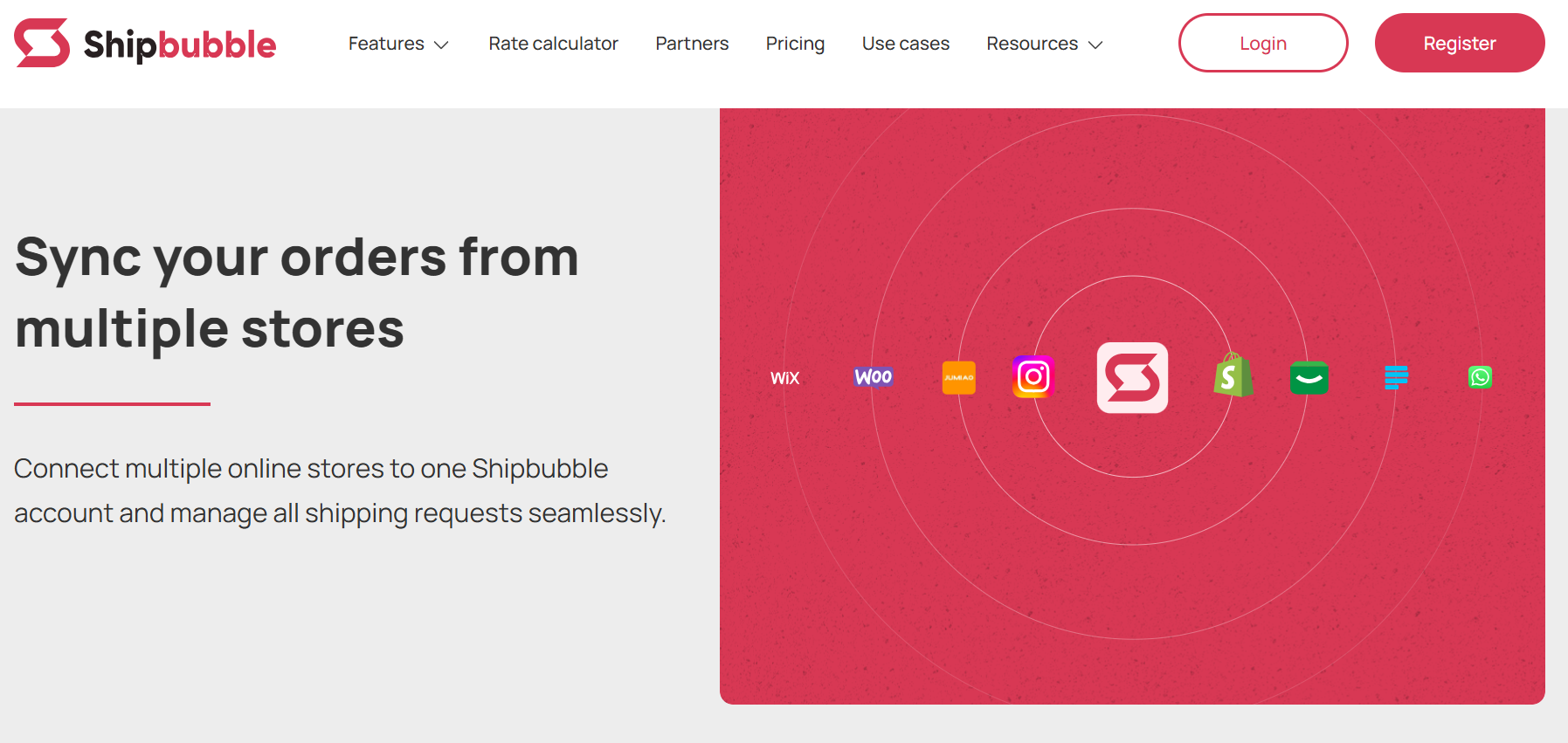
Managing deliveries manually becomes increasingly difficult as your business grows.
A shipping management platform brings your logistics operations into one place, helping you save both time and money.
With Shipbubble, online businesses can:
- Compare courier prices before shipping
- Access discounted rates from multiple logistics partners
- Automate shipping workflows
- Track deliveries in real time
- Manage orders from multiple sales channels
- Keep customers informed with delivery updates
Instead of juggling several courier accounts, you can manage your deliveries from a single dashboard while choosing the most cost-effective option for every shipment.
Reducing shipping costs for your online store isn't about finding the cheapest courier every time. It's about building a smarter fulfilment process.
Comparing courier rates, optimizing packaging, reducing failed deliveries, automating repetitive tasks, and reviewing your shipping performance regularly can all help lower costs while maintaining a reliable customer experience.
Over time, these improvements add up. Lower logistics costs protect your margins, give you more flexibility to price competitively, and create a smoother delivery experience that encourages customers to come back.
If you're looking for a practical way to streamline your shipping operations, using a platform that helps you compare rates, automate fulfilment, and manage multiple couriers from one place can make a noticeable difference as your business grows.