For years, WordPress has been the default answer to one question: "How do I get my business online?"
From blogs and portfolio websites to full-fledged ecommerce stores powered by WooCommerce, WordPress built its reputation on flexibility and customization. Today, millions of websites still run on WordPress and its ecommerce ecosystem.
But a new generation of business owners is asking a different question:
Do I really need all that complexity?
For many Nigerian entrepreneurs, the answer is increasingly becoming no. That's where Bumpa enters the conversation.
The WordPress Era
WordPress became popular because it gave business owners control.
With the right hosting provider, theme, plugins, and developer support, you could build almost anything. Add WooCommerce and you suddenly had an online store capable of handling products, payments, and shipping.
The challenge is that flexibility often comes at a cost:
- Hosting setup
- Theme customization
- Plugin management
- Security updates
- Technical maintenance
- Performance optimization
For business owners who simply want to sell products online, these tasks can become distractions from actually growing the business.
A Bumpa Era
Bumpa was built with a different audience in mind.
Instead of being a website platform that can become an ecommerce store, Bumpa starts as a business management platform that already includes an ecommerce store.
With a few clicks, merchants can:
- Create a business website
- Upload products
- Accept payments
- Manage inventory
- Track sales
- Generate invoices and receipts
- View business analytics
- Manage customer information
All from one dashboard.
For many small and medium-sized businesses, that convenience is the biggest selling point.
Is Bumpa Replacing WordPress?
Not exactly.
WordPress remains unmatched when it comes to advanced content marketing, custom website design, large-scale publishing, extensive plugin ecosystems and complex functionality.
A media company, SaaS startup, or enterprise brand will likely still prefer WordPress for the freedom it provides. However, Bumpa is increasingly becoming what WordPress once was for small businesses:
The easiest way to get online and start selling.
A fashion brand, skincare business, food vendor, gadget store, or thrift seller can launch a professional storefront in minutes without touching code or hiring a developer. In that sense, Bumpa is not replacing WordPress.
It is replacing the need for WordPress for a growing number of merchants.
Why Nigerian Businesses Are Choosing Bumpa
The modern entrepreneur values speed.
Most business owners do not wake up wanting to manage plugins, troubleshoot hosting issues, or debug website errors. They want to upload products, share a store link, receive payments, manage deliveries, and grow revenue.
Bumpa's all-in-one approach aligns closely with those needs. It combines website creation, sales management, inventory tracking, analytics, and customer management into a single platform.
For businesses focused on commerce rather than web development, that's a compelling proposition.
The Real Question
The better question may not be:
"Is Bumpa the new WordPress?"
Instead, ask:
"Do I need a website platform, or do I need a business platform?"
If your goal is complete website flexibility and customization, WordPress remains a strong choice.
If your goal is launching quickly, selling efficiently, and managing your business from one place, Bumpa offers a more streamlined path.
Complete the Experience with Shipbubble
Getting online is only half the battle. Delivering orders efficiently is what turns first-time buyers into repeat customers.
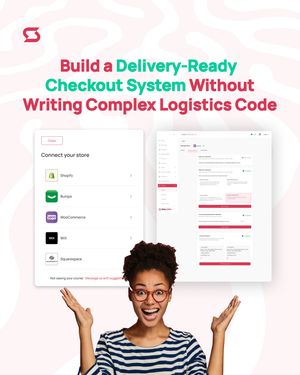
That's why many Bumpa merchants integrate with Shipbubble.
Through the integration, merchants can automate delivery operations, offer multiple courier options, provide shipment tracking, display estimated delivery timelines, and simplify order fulfillment directly from their store workflow.
So whether you're launching your first online store or scaling an existing one, Bumpa helps you sell, while Shipbubble helps you deliver.
And in ecommerce, that combination can be just as important as the website itself.