

If you’re planning to send a parcel from Nigeria to Canada, stop right there.
Why?
Because, not everything you love from home is allowed through Canadian customs. And yes… that includes some “Nigerian essentials” like ponmo, kilishi, afang, and even cultural items like talking drums.
Before your package gets seized or delayed, here’s a clear breakdown of what you can’t ship from Nigeria to Canada, why it happens, and what you can send instead.
Why Canada Restricts Some Items
Canada has strict import rules enforced by the Canada Border Services Agency (CBSA) and the Canadian Food Inspection Agency (CFIA).
The goal is simple:
- Protect public health
- Prevent animal and plant diseases
- Avoid contamination from unregulated food or cultural goods
As a result of this, many traditional Nigerian items fall under restricted or prohibited categories, especially food and animal-based products.
1. Meat & Meat-Based Products (Kilishi, Ponmo, Suya, etc.)
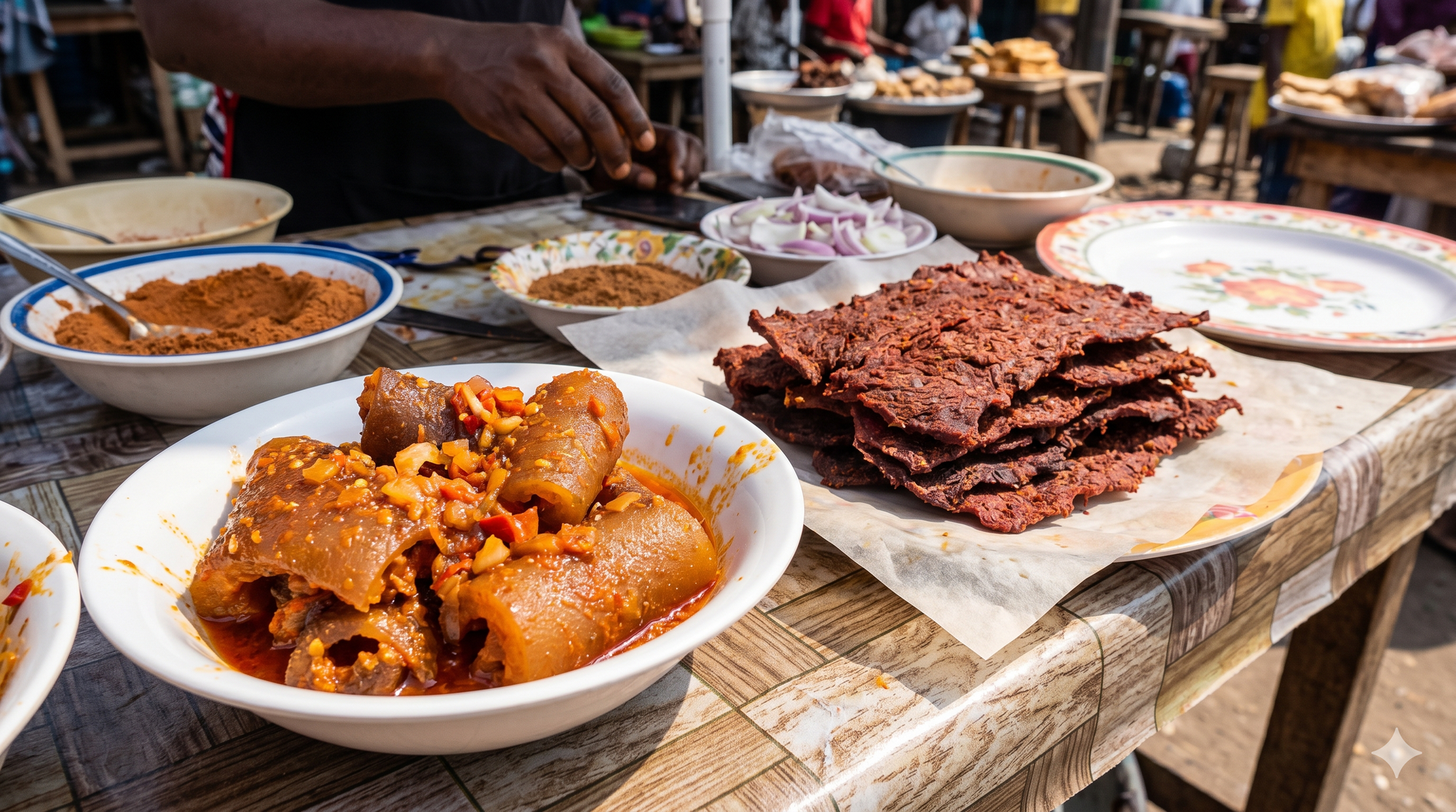
This is the biggest one.
Most meat products are not allowed into Canada via mail or courier, including:
- Kilishi
- Ponmo (cow skin)
- Suya / dried meat
- Meat-based seasonings or broths
Even if it’s dried or packaged, it still falls under strict animal product restrictions.
According to import guidelines, meat products are heavily restricted to prevent disease transmission and are often seized at the border if shipped improperly.
So, if it came from an animal and is not specially certified, don’t ship it.
2. Fresh & Traditional Food Items (Afang, Ewedu, Vegetables)

Fresh Nigerian foods don’t travel well in international shipping rules.
Items like afang leaves, fresh vegetables and unprocessed herbs are often restricted due to pest and agricultural safety concerns.
Fresh fruits and vegetables are generally not permitted in most international shipments because they can carry pests or plant diseases.
3. Animal-Related Cultural Items (Talking Drums, Skins, Some Crafts)

This one surprises a lot of people, but most animal-related cultural items such as talking drums (depending on materials used), animal skin-based crafts, certain traditional instruments or artifacts made from protected materials, can be flagged.
Especially if these items involve animal skins, untreated wood, and restricted organic materials. Customs may require permits or outright reject them if origin cannot be verified.
4. Seeds, Raw Agricultural Products & Unprocessed Items
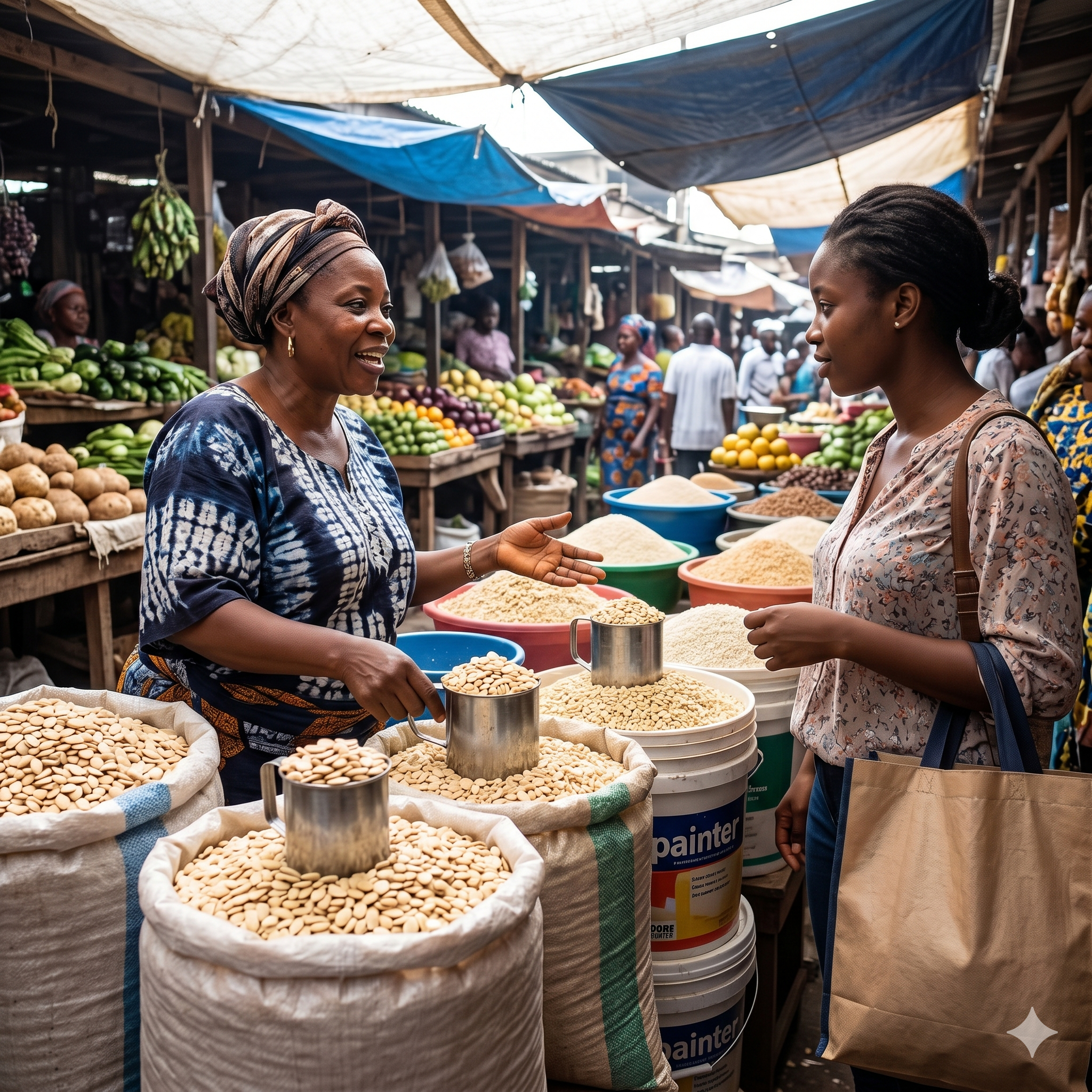
Unprocessed items are risky because they may introduce pests into Canada’s ecosystem. Some common examples such as raw seeds, unroasted nuts (in some cases), and unprocessed agricultural products fall under this category
These items often require inspection or are restricted entirely depending on classification.
5. Homemade or Unlabelled Food Items
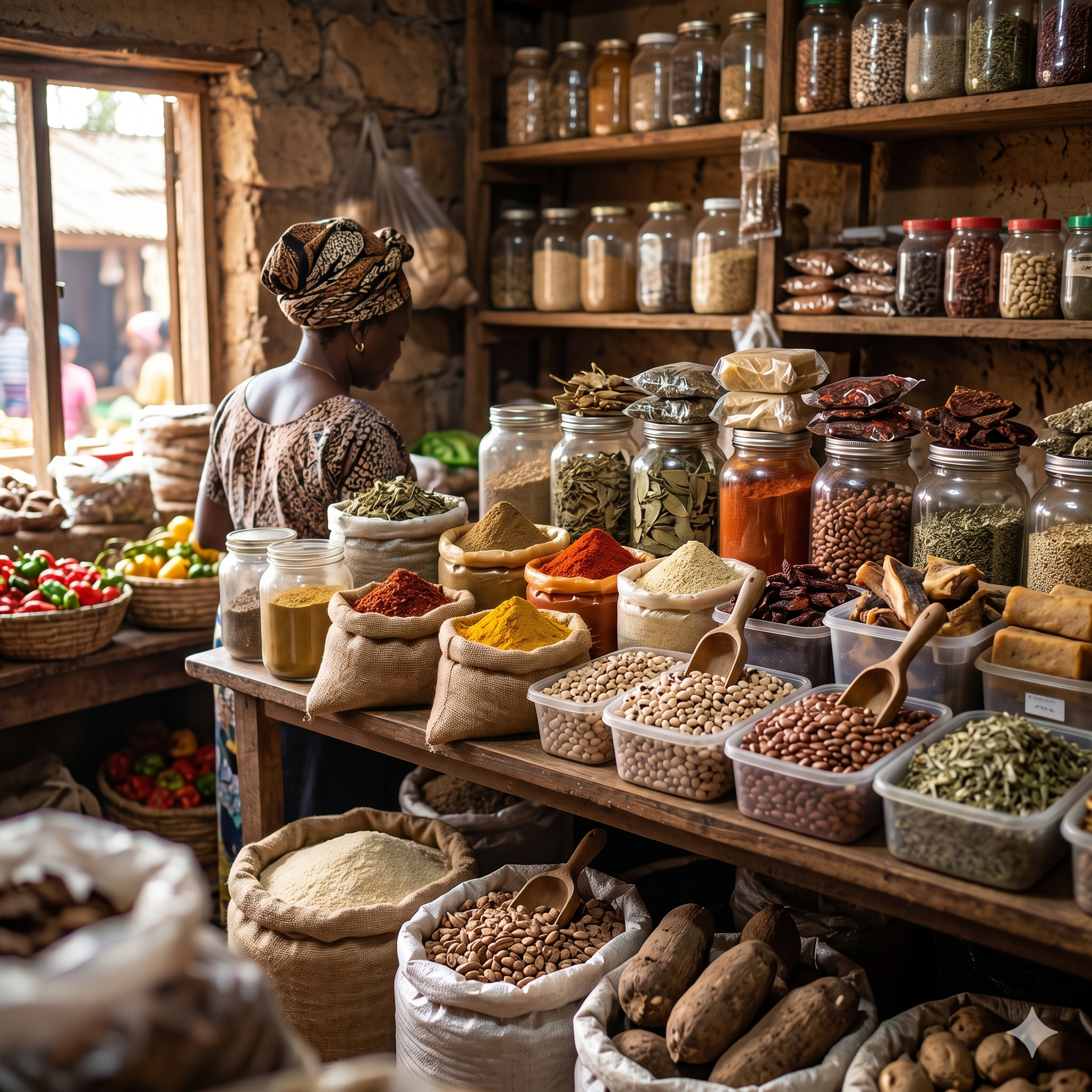
Even if it’s “just food from home,” Canada doesn’t treat it casually. Items that are not commercially packaged, not labelled or not traceable are usually rejected.
Only properly packaged and labelled food items are considered safe for customs review.
So What Can You Ship?
Not everything is blocked. You can still send:
- Commercially packaged snacks (no meat)
- Biscuits, chocolates, sweets
- Coffee, tea, spices (properly sealed)
- Non-perishable, clearly labelled food items
The key rule: factory-sealed + clearly labelled + no animal products = safer shipping
How Can You Ship?

Shipping from Nigeria to Canada isn’t just about sending a parcel, it’s about knowing what will actually make it through customs. Items like ponmo, kilishi, afang, and talking drums may feel like everyday essentials at home, but they often fall under strict import restrictions in Canada.
The safest approach is to always check before you ship and avoid anything that could be flagged or seized.
And when you’re ready to simplify the whole process, Shipbubble helps take the stress out of logistics by automating shipping and fulfilment so you can focus on running your business, not managing delivery headaches.